Google Antigravity 2.0 Launched: Copied Codex's UI and Deleted IDE Features for Existing Users
Google has officially released the standalone desktop version of Antigravity 2.0, which focuses on multi-agent collaboration and integration with the Google ecosystem, and its UI is highly similar to Codex. Many expected that adopting proven mature interaction design would fix the poor usability that plagued Google's past products, but the launch was immediately marred by login crashes, forced updates that overwrote older versions, and the removal of original IDE functionality, leading to widespread complaints from long-time users.
On May 19, 2026, Google officially launched Antigravity 2.0, a brand new standalone desktop application officially positioned as a dedicated operation platform for AI agents.
According to official introductions, Antigravity 2.0 has been completely rebuilt from the ground up, supporting multi-agent team collaboration, scheduled tasks, native voice interaction, and one-click integration with other Google products. The entire Antigravity product line also includes CLI, SDK, and IDE versions, positioned as an agent-first development platform for scenarios including full-stack development, enterprise development, and front-end development. It is currently available for free download for developers.
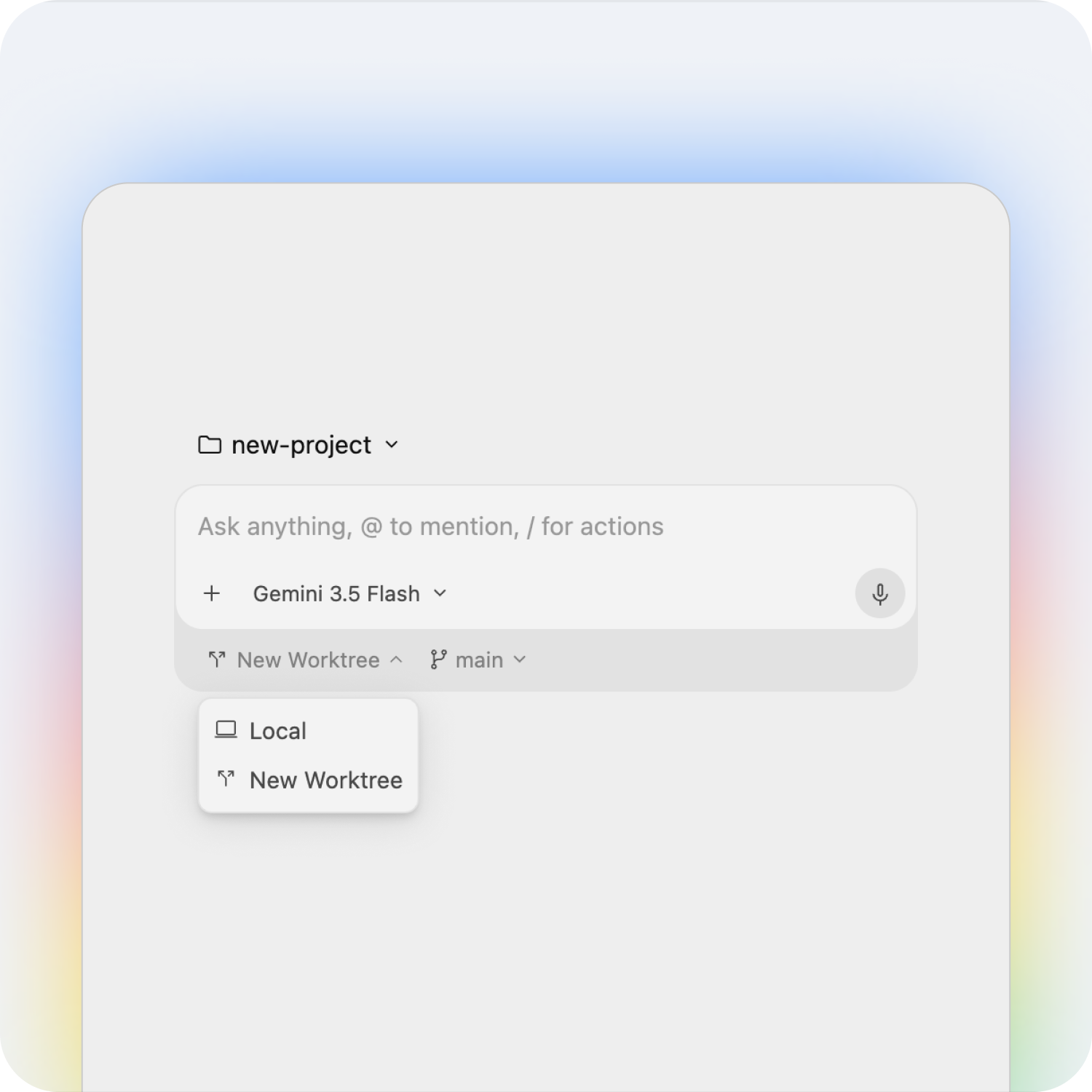
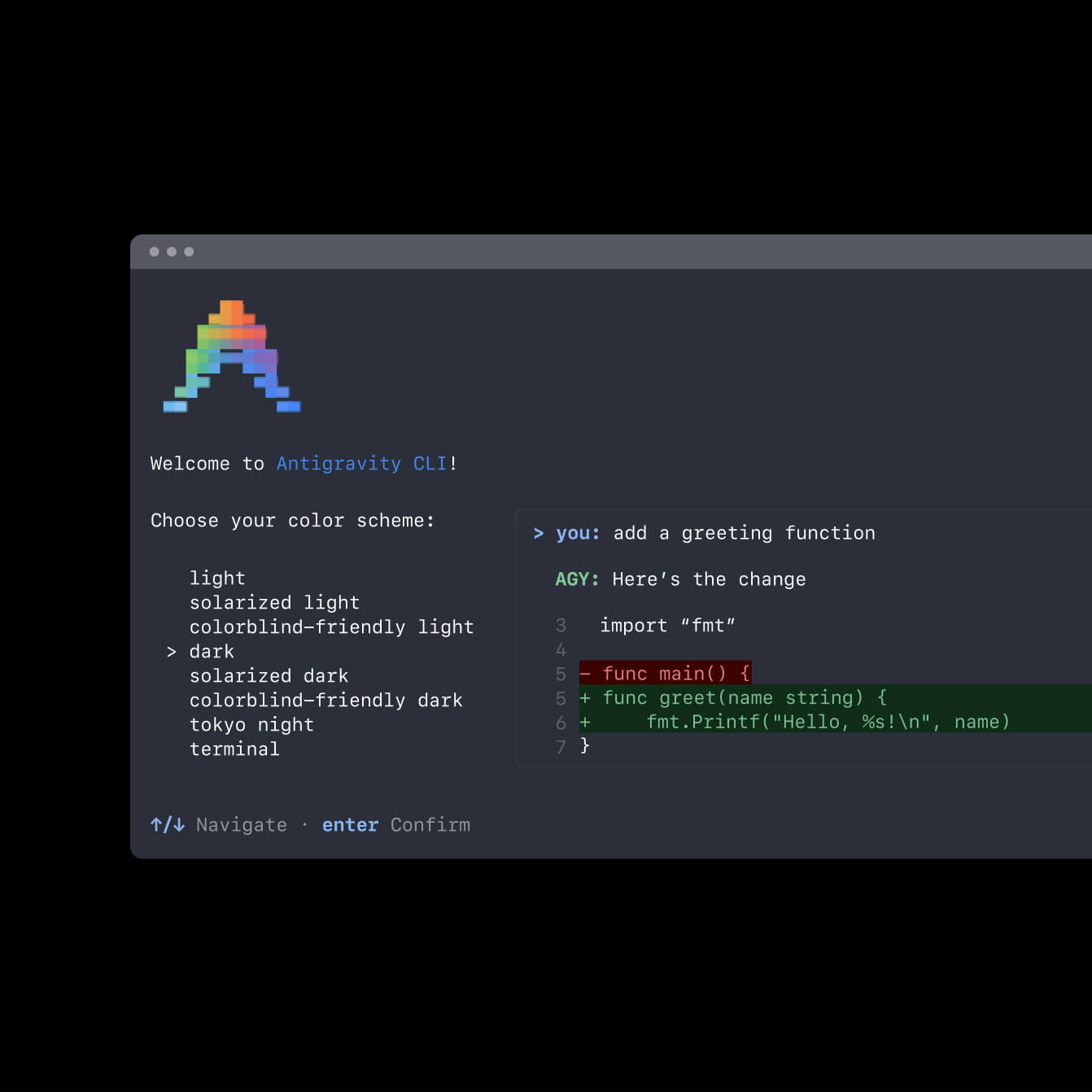
Some developers have observed that the UI of this new Antigravity 2.0 is almost identical to that of Codex. Many comments note that it is not a bad thing for Google to set aside ego to reference mature UI/UX; after all, the poor interaction experience of previous Gemini products is an industry-wide consensus. If Google can actually get the interaction logic right, the product's reputation could improve significantly.
However, just a few hours after launch, massive feedback from existing users poured cold water on these expectations.
First, the login issue: a large number of Google Workspace users are unable to log in normally, with the interface directly throwing an account setup error prompt. Some users even encountered failed backend requests for the code assistance feature and cannot access the product at all.


Even more serious is the forced update issue. Some users reported that while they were working on projects with the old version of Antigravity, the program suddenly closed to perform an automatic update. After the update completed, the original IDE functionality was gone entirely, leaving only a perpetually loading Agent Manager interface, and users cannot even access their old projects.

A user familiar with the product line revealed that the current Antigravity 2.0 is not actually the legitimate iteration of the old version: originally, Antigravity IDE was the official successor to the old product line, but the team adjusted the product direction. They transferred the Antigravity name to what was originally a forked product, Google Codex, and forced version 2.0 to overwrite the old installation. Compared to the original version, the new 2.0 does not support @skill invocation, and can only trigger functions purely through natural language, with a low success rate; the permission management entry is buried much deeper, and the skill preview and installation process is far less intuitive than before.
One user has worked out a temporary workaround for login: first select to log in to a cloud project, after selecting your account click cancel on the Antigravity window, then switch back to normal login mode to complete verification and get access. But this user also added: "You don't want to get in anyway. This isn't even an upgrade, it's a completely different product. Anyone who used it as a VS Code alternative should just go back to VS Code. AG is dead."
Many other users complained about detail issues in the comment section, such as an annoying pop-up that has existed for six months still not being fixed, citing poor overall quality control from the team. Some users are taking a wait-and-see approach: they think referencing proven mature interaction design is not a problem, and as long as the bugs are fixed and the cut features are restored later, the product still has competitiveness. Of course, others are not optimistic. They point out that based on Google's typical product habits, this release will most likely be abandoned after launch, and Google will just copy again once competitors like Codex and Cursor finish their next iterations.
发布时间: 2026-05-20 08:31