OCRia-1: A 4B Model Scores 92.9 on Complex Table Parsing, but the Comments Are Asking These Questions
LlamaIndex releases OCRia-1, a 4B document parsing model that sets a new SOTA on multiple table benchmarks and is now live in LlamaParse. The model focuses on complex tables, charts, and format preservation, but developers are more concerned about merged cells, cross-page tables, and confidence output.
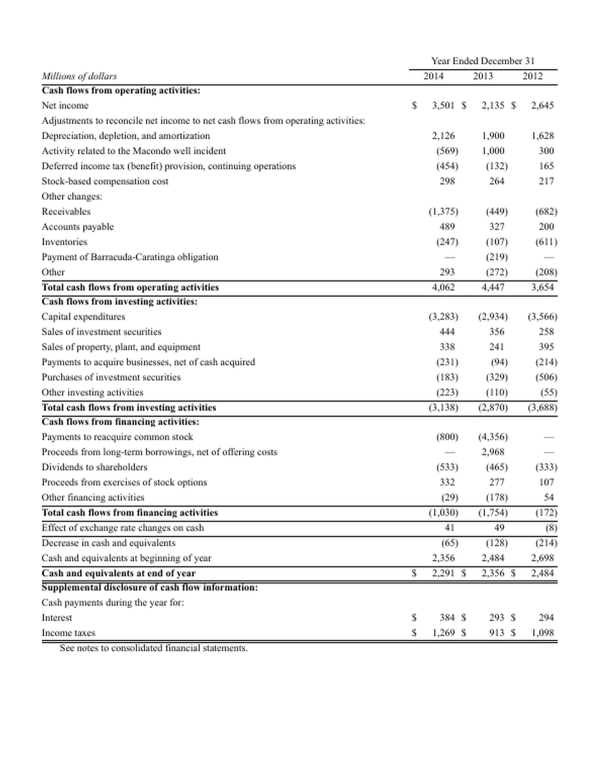
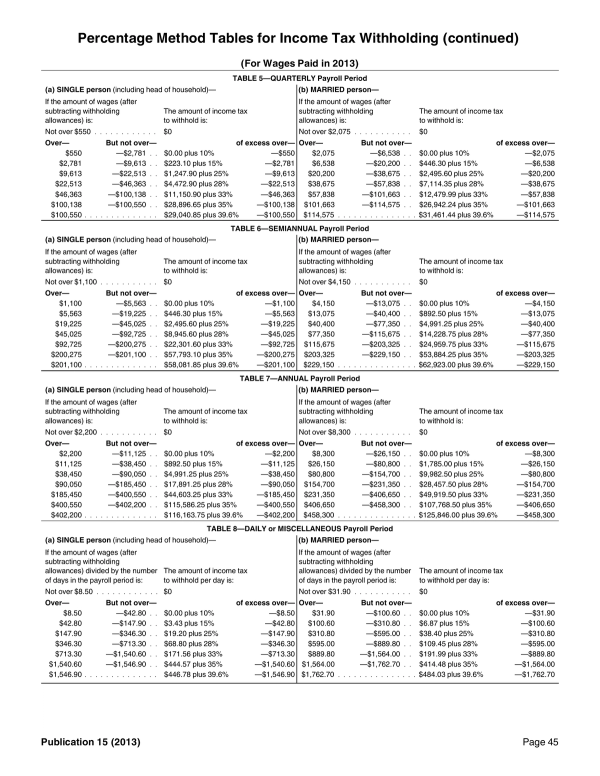
The hardest part of a PDF is often not the text—it's the tables. Nested headers, merged cells, no borders, dozens of columns crammed onto one page: in these scenarios, most parsing models silently misalign content and report no error. Downstream systems end up with wrong data. OCRia-1, released today by LlamaIndex, is aimed at exactly these tables.
OCRia-1 is a 4B-parameter vision-language model that the company says reaches SOTA across accuracy, cost, and latency. It is already live in LlamaParse, where it powers all parsing modes at no change in price.
The scores Jerry Liu posted on X: ParseBench overall 87.4, 12.1 points ahead of the runner-up, with 91.5 on the table subtask. ParseBench is a commonly used industry document parsing test set that primarily measures fidelity for text, tables, charts, and formatting. In third-party evaluations, olmOCR-bench overall is 83.5 and 92.9 on tables; PulseBench-Tab is 84.1; fr-bench-pdf2md long tables is 83.2. All three rank ahead of the comparison models. The comparison models include LightOnOCR-3, Chandra-OCR 2, Mistral OCR 4.1, and larger 7B models.
Beyond tables, it also handles charts and layout. The company says it can convert unlabeled charts into HTML tables while preserving the correspondence between values and labels; superscripts, subscripts, strikethroughs, and checkboxes are all preserved, and math formulas are output as LaTeX. On ParseBench, the chart subtask scores 85.1, 19 points above the runner-up; the formatting subtask scores 83.4, 15.5 points higher.
The training data includes more than 100,000 document pages, with both human and generative annotations, followed by post-training with SFT + RLVR. The company has not disclosed further details.
In the comments, the questions developers ask most are: whether merged cells are kept as-is in the output or flattened; whether cross-page tables get split; and whether cell coordinates are available. One developer working on retrieval said that a single misread merged cell can silently contaminate the entire retrieval result. One extra point of accuracy is less valuable than a confidence score for each cell. Another developer noted that the report says a weights release is planned, the online version mixes NVFP4 and FP8, NVFP4 natively runs only on Blackwell, and RTX 40 and Mac users may have to wait for BF16 or GGUF. The company has not yet responded to these questions.
Officials also posted a video showing how OCRia-1's attention maps change as it predicts table cells, played back at reduced speed. The two images below come from the LlamaIndex blog and are real tables processed by the model: a cash flow statement and a payroll tax withholding table. These are typical examples of nested headers, merged cells, and borderless tables.
More details are in the LlamaIndex blog.
发布时间: 2026-10-28 02:06