Neuralink's Telepathy First Solves Typing and Phone Calls; Mind Reading Is Not on the List Yet
Elon Musk says Neuralink's first product is called Telepathy. What is really worth watching is that the team ran a 72-hour hackathon at the home of a participant with speech impairment, turning “wanting to speak” into an input method, phone calls, and agent invocation. Put the mind-reading narrative aside for now; friction in the details determines whether it can be picked up every day.
Elon Musk on X named Neuralink's first product: Telepathy. According to him, users only need to think and they can communicate at high speed with computers or people; output bandwidth will exceed the fastest human speech or typing within a few years. He also asked readers to read that sentence again.
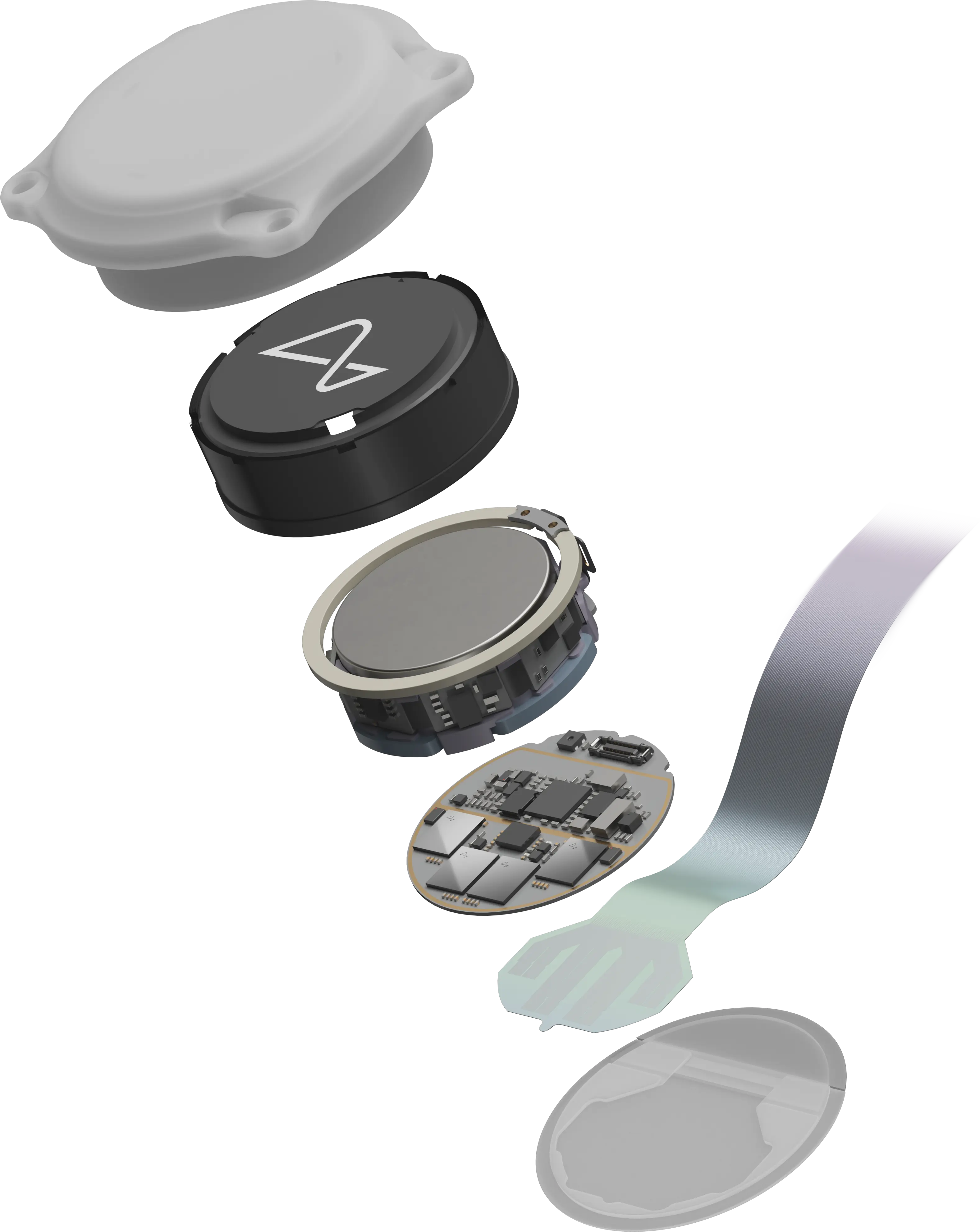
But the thread that Neuralink itself released is more worth reading. The team went to the home of a participant in speech restoration research and ran a 72-hour hackathon. The goal was specific: prototype as many features as possible so the participant could use them on the spot. The participant has a speech impairment, and the research is part of VOICE. The engineers did not have implants and could not try it themselves, so they sat beside him and watched where he hesitated and what annoyed him, then changed it immediately.
This has more informational value than the grand words at a launch event. BCI input is human neural activity, which changes with fatigue, attention, and the way one imagines speaking. According to the Neuralink blog, details such as how long it takes to start recording, how troublesome it is to correct an error, and whether the phone needs to be unlocked first determine whether a tool is used grudgingly or picked up proactively every day.
Turning “wanting to speak” into an input method
The first prototype is neural speech activity detection. Previously, decoding speech required pressing a button to start and stop recording; now the system automatically determines whether the user is trying to speak. For users with speech impairment, this is a step toward fully hands-free operation.
The second is real-time neural visualization. One of the difficulties of BCI is figuring out which imagined action produces the strongest neural activity, which directly affects decoding model performance. The team built multiple visualizations so the participant could see in real time the signal strength and distribution detected by the implant. The participant used it to test different ways of imagined speaking to see which recruited the most activity. Model tuning was turned into something close to a game.
The third prototype is closer to an AI agent. The user only has to think “Hey Neuralink” plus a task to trigger the Grok agent, letting it autonomously execute the task on a computer. This is an early demo, but the direction is clear: as BCI bandwidth rises, the gap from thought to action will shrink.
The later features were more productized. Bloom is a mobile app for speech BCI; the hackathon put it into daily life to see where it got stuck. There is also iOS keyboard dictation, connecting BCI dictation into any app; a faster editing workflow, so decoding errors can be corrected quickly; lock-screen Live Activity, so you can start speaking without unlocking the phone; and iPhone call integration, injecting BCI-generated speech directly into the call's microphone stream so the other party hears clear, stable audio. The team also tested optional opening lines, such as notifying the other party that “this call is from a person using an assistive communication device.”
One detail in the blog: the participant and his wife built their relationship over phone calls in their early years, and this time the two could joke on the phone again. The team said this was one of the most memorable moments of the week. This detail explains the product's value better than the slogan “change humanity.”
The comments section went off-topic, as usual. Some netizens are already worried that the brain interface will be polluted by ads, pop-ups, and paid ad removal. This worry is half-joking, but it points to a real problem: any high-bandwidth entry point will eventually face the temptation to platformize. The Neuralink device is still an investigational device, not approved by the FDA or other regulators, and the participant experiences in the materials do not represent all participants or future results.
In his reply, Musk added a farther goal: he hopes within a few years to route signals from the brain's motor and sensory areas around to the limbs, letting paralyzed people use their hands and walk again. The Careers page says more than 20 implants are in daily use, with cursor control reaching 10+ bits/s. The mind-reading narrative can be set aside for now. For now, this 72-hour sprint looks more like fixing the input method, the call link, and the agent entry point. First see whether these frictions can be ground down to zero, then talk about the next step.
Sources: Elon Musk's X posts, Neuralink's 72-hour hackathon thread, and blog.
发布时间: 2026-10-31 02:39