10 AI Coding Repos: Old Codebases Are the Real Test
A list names 10 GitHub repositories that can turn ideas into software. The comments are more worth reading: some compare side by side who actually reads the codebase, some ask which can run the full loop unattended, and others remind you that a ten-year-old repository is the real exam. Start with OpenHands and Aider; don't mistake bookmarking for shipping.
A list is circulating on X with 10 GitHub repositories, and the goal is straightforward: let AI turn ideas into software. The original list comes from 0xMarioNawfal, linked in RoundtableSpace's post. Before bookmarking, look at two repositories first, then read the comments; the latter are closer to real-world use than the list.
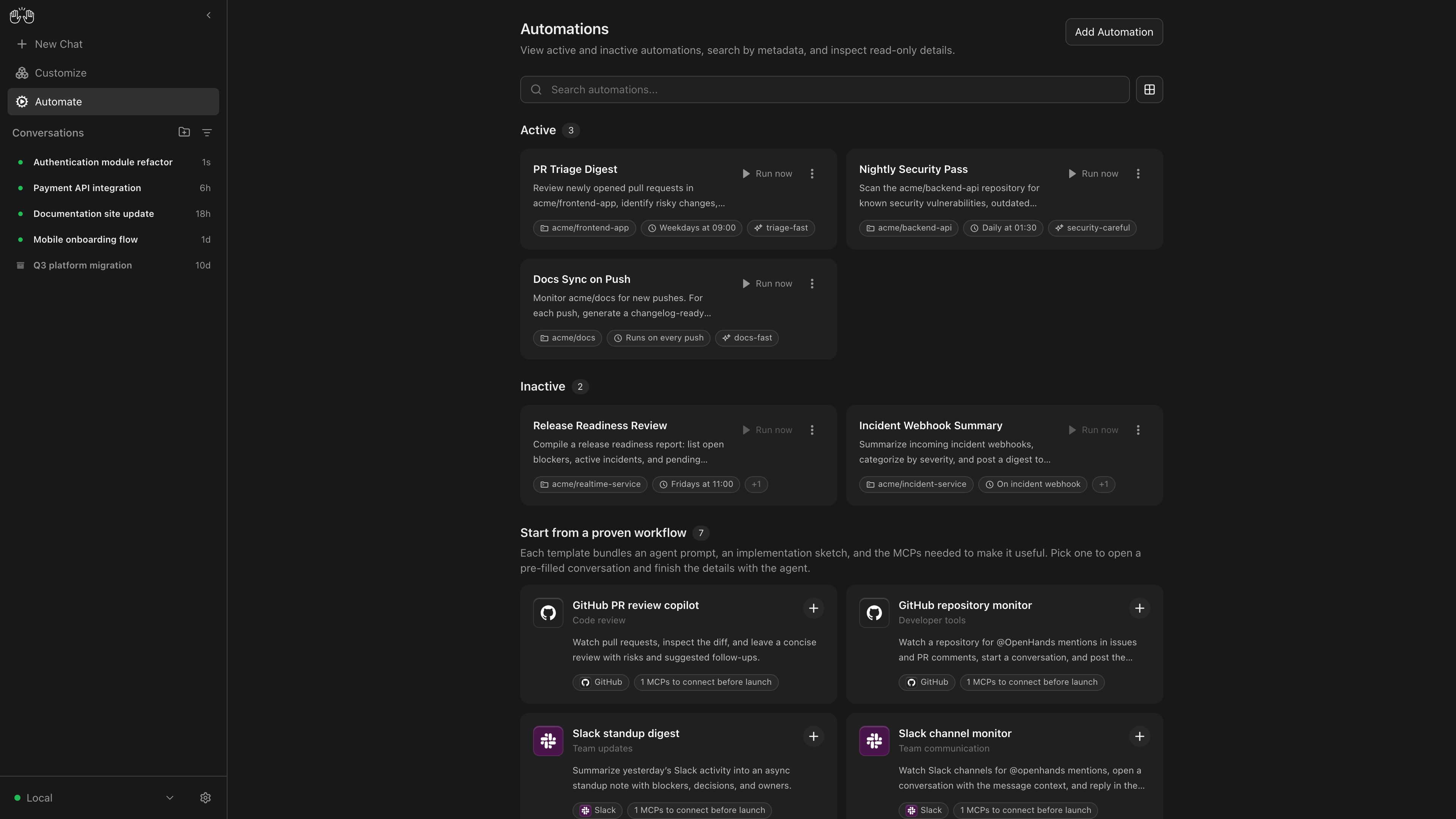
The first on the list is OpenHands. It positions itself as a self-hosted coding agent console that can run OpenHands, Claude Code, Codex, Gemini CLI, Pi, OpenCode, and ACP-compatible agents. Its value lies in three areas: switching backends among local, Docker, VM, company infrastructure, and OpenHands Cloud; using Slack, GitHub, Linear, and webhooks for automation; and bringing your own model. For a quick start, use npm install -g @openhands/agent-canvas, then run agent-canvas. For isolation, use Docker sandboxes; the README has both single-sandbox and multi-sandbox ways to run it. Note that no-sandbox mode lets the agent directly access the full filesystem.
The second one worth looking at first is Aider. It puts AI pair programming in the terminal and is suited to existing codebases. Aider maps the entire codebase, supports more than 100 languages, automatically generates a git commit after changes, can watch in the IDE, and also supports writing code from images, web pages, and voice, as well as lint/test. It can use Claude 3.7 Sonnet, DeepSeek R1 & Chat V3, OpenAI o1, o3-mini & GPT-4o, and can also connect to local models. Install with python -m pip install aider-install, then run aider-install.

The remaining 8 repositories on the list are below. The source material only provides names and links; I won't make up features for them below.
The comments are more informative than the list. A user named WalletX.gg said that only by putting Cline and Roo Code side by side in VSCode can you see who actually reads the codebase. That test is more useful than reading the README. A user named hekt0 asked which tool can run the complete loop from idea to running app unattended. That question will weed out a batch of demos. A user named pranjulya said most tools work well in new repositories, and a ten-year-old repository is the real exam. A user named 三分钟懂行 said the list is best read with a small project you actually want to build in mind; otherwise it's easy to bookmark a pile of tools while the project hasn't even started. James Malsawm asked whether anyone has actually delivered with OpenHands.
The order of use can be very simple. First choose a small project. Use Aider or OpenHands to get one real change working end to end. To compare Cline and Roo Code, try them side by side in the same VSCode workspace; don't install ten at once. Finally, run a test with an old codebase. On security: when OpenHands runs without a sandbox, the agent has full filesystem access, so don't try it in an environment without isolation.
The AI team in your bookmarks won't write code by itself. You can save the list, but the project has to start.
发布时间: 2026-10-31 22:43