Still Not Breaking After 100 Edits: Seedream 5.5 Focuses on Editing Stability
ByteDance Seed releases Seedream 5.5, which the company says supports up to 100 consecutive edits, pixel-level preservation of unedited areas, and native RGBA transparent output. The competition among image models is moving into workflows.
The ByteDance Seed team has released Seedream 5.5. The official upgrade points are very specific: up to 100 consecutive edits, pixel-level preservation of unedited areas, native output of RGBA transparent and semi-transparent assets, and improvements in lighting, materials, skin texture, and small-text rendering. Seedream 5.5 will be coming to Dreamina, CapCut, and BytePlus.

Seedream is ByteDance Seed's image generation model series. The official page describes 5.5 as a multimodal image generation model, emphasizing creativity and precise execution. Parameters, training details, and open API pricing were not covered in this announcement. For developers, the first thing to look at is where it has focused its effort: consecutive editing stability, transparent assets, and realism.
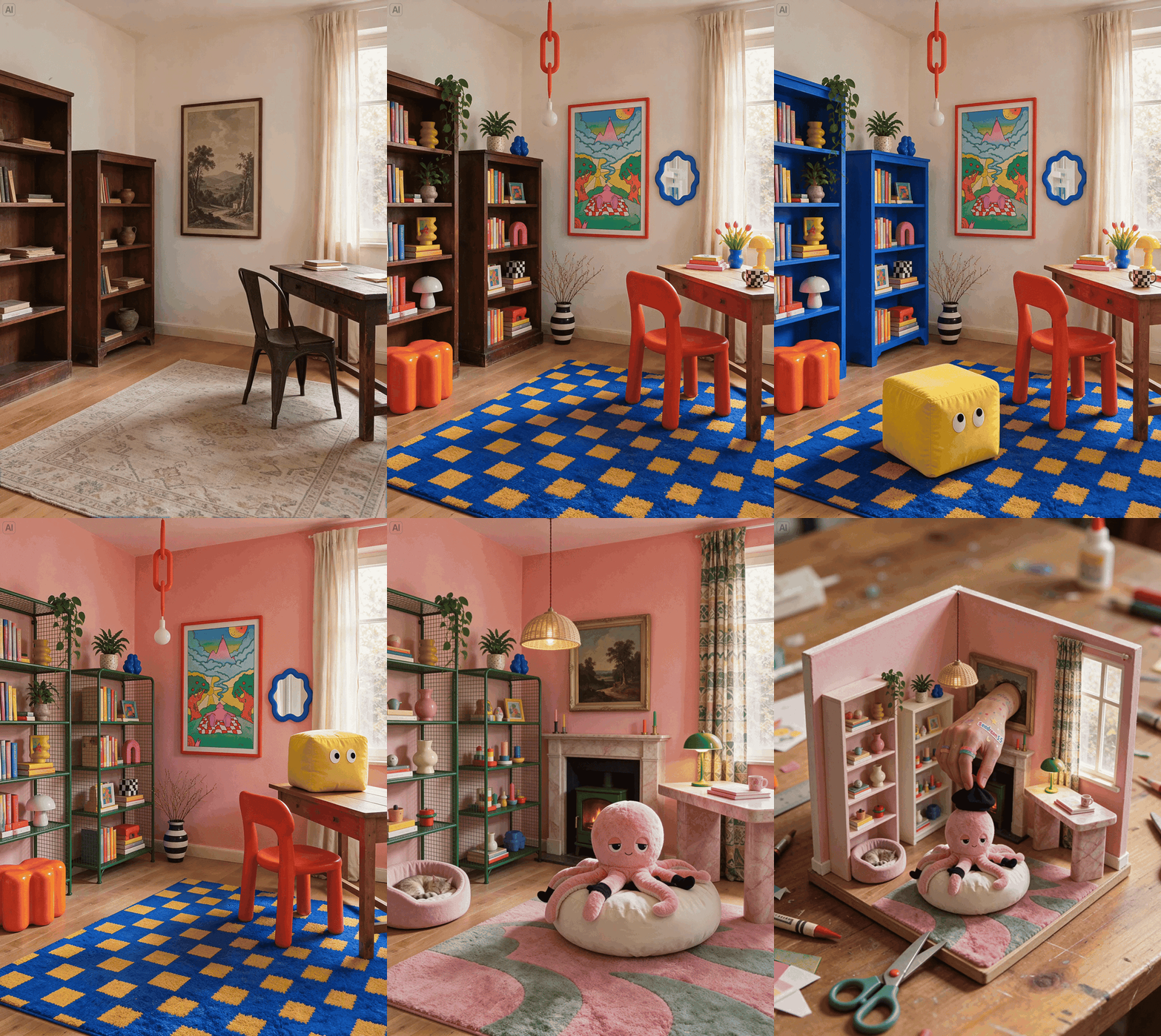
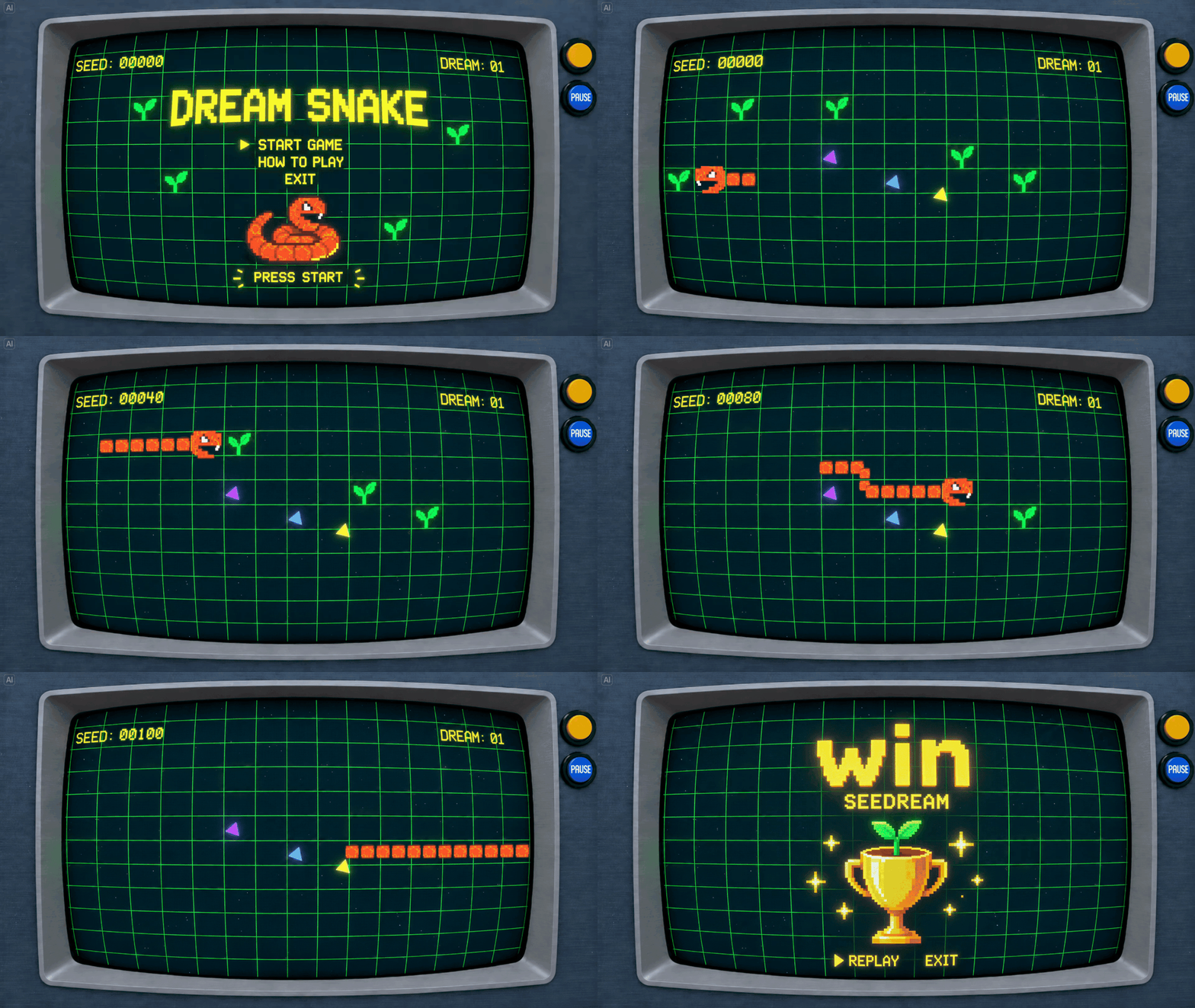
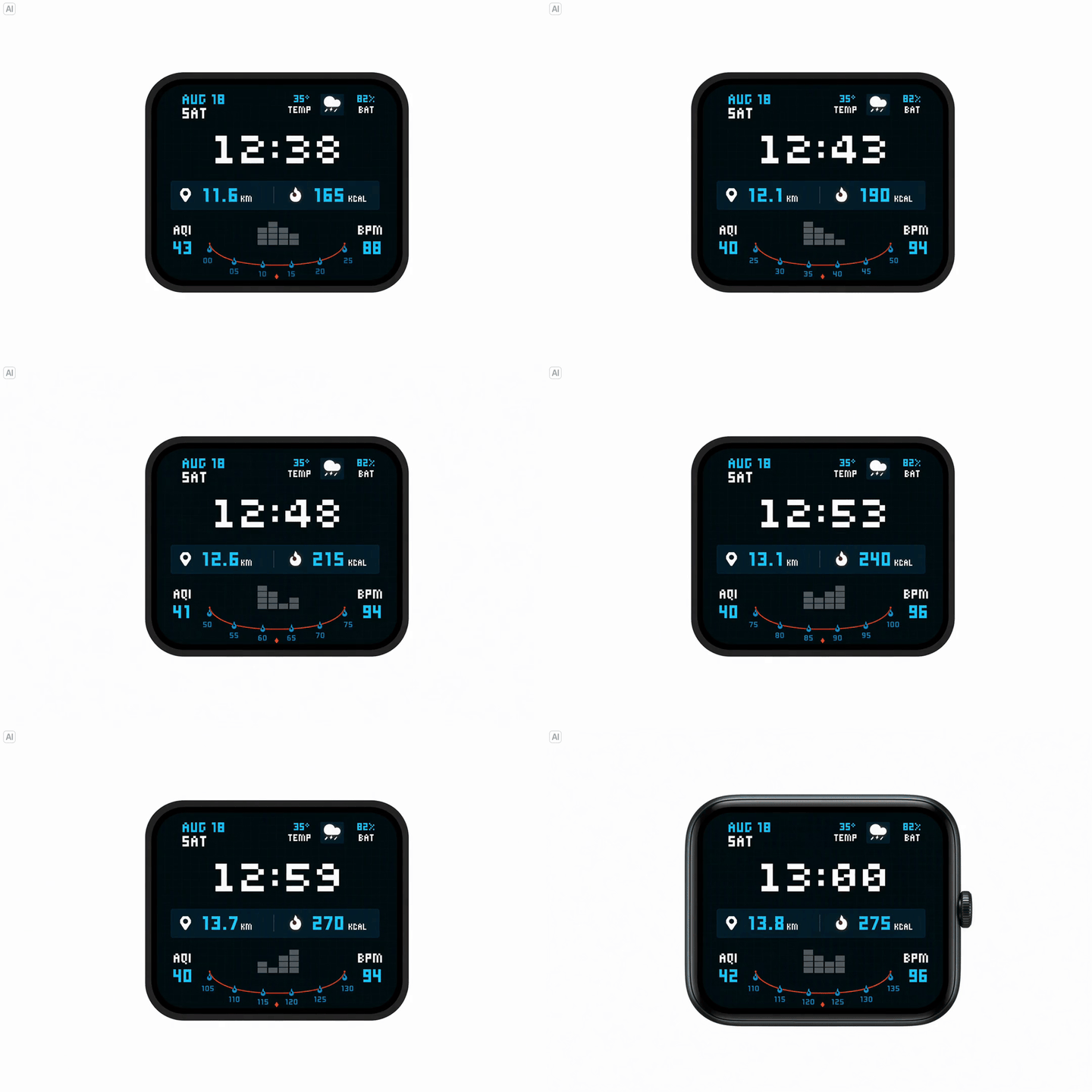
Image models used to compete on single-image generation. Now they are starting to compete on image editing. In real workflows, an image often needs more than a dozen rounds of edits—changing the background, adjusting lighting, adding props, changing text—and each step can ruin the result of the previous round. The company says Seedream 5.5 can keep unedited areas pixel-identical during consecutive edits, reducing detail loss. In the demos, furniture, lighting, hairstyle, glasses, the position of a snake, and a watch dial are all adjusted consecutively while the surrounding structure remains stable.

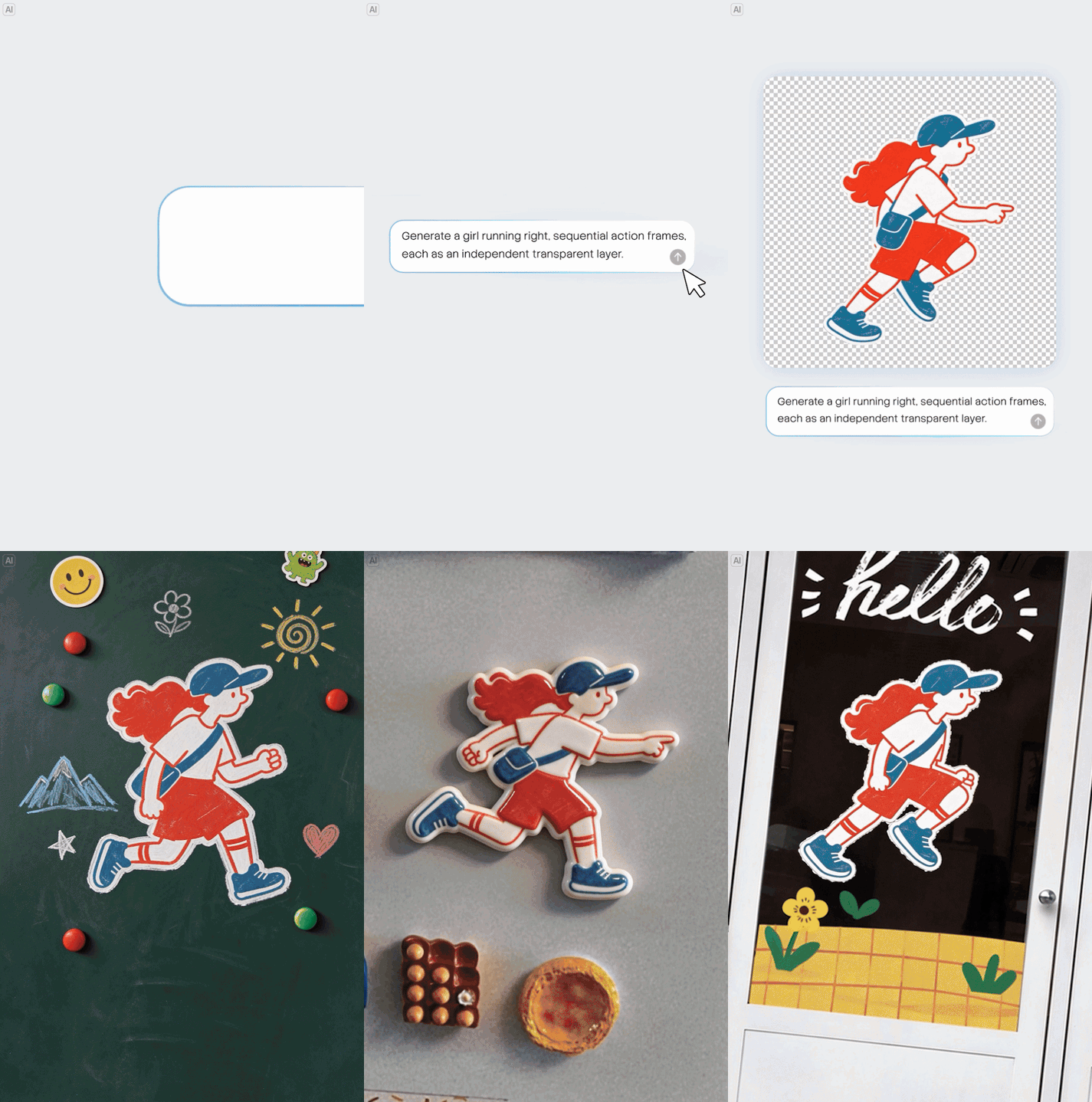
The alpha channel is another real pain point. E-commerce, stickers, character sequences, and composite posters all require assets that can be layered directly onto other backgrounds. In traditional workflows, images still need to be cut out after generation, and edges, semi-transparency, and hair can easily give the game away. Seedream 5.5 natively supports RGBA output, and the official demos show flamingo extraction, character sequences, stickers, yarn text, plush characters, and circular macro borders. Whether the results are stable depends on complex edges and semi-transparent materials, but this direction is closer to production than simply increasing output resolution.



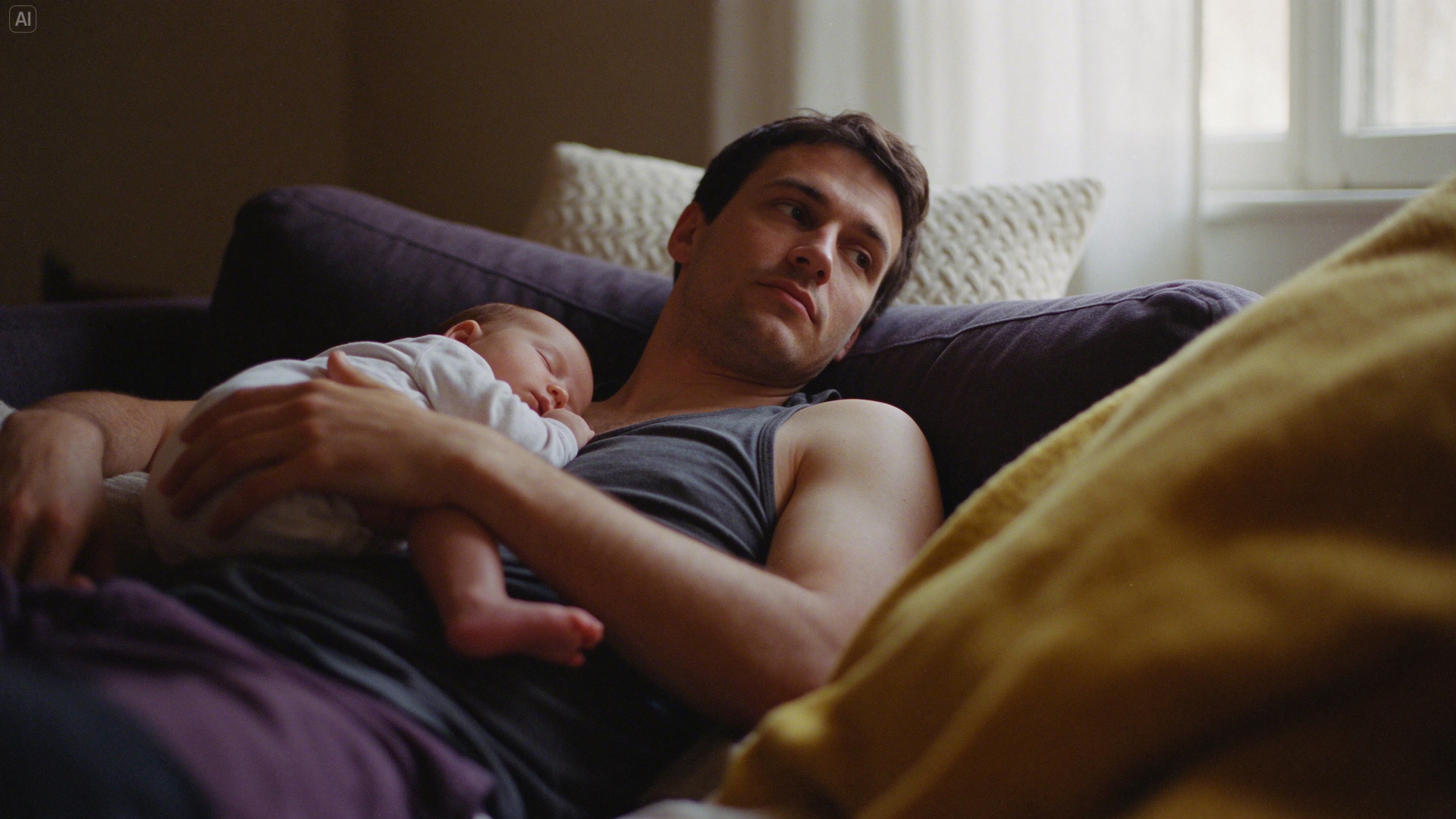
On realism, the official samples include a white cat in a bar, a father holding a baby, a European street corner, a woman looking at her phone in the wind, a small tavern, and a cobblestone road after rain. The descriptions emphasize natural light, materials, skin texture, and film grain. Small-text rendering is listed separately, which shows that text has long been a weak spot for image models. The demo images are curated; in real use, complex small text, hands, and local structures still require repeated trial and error.

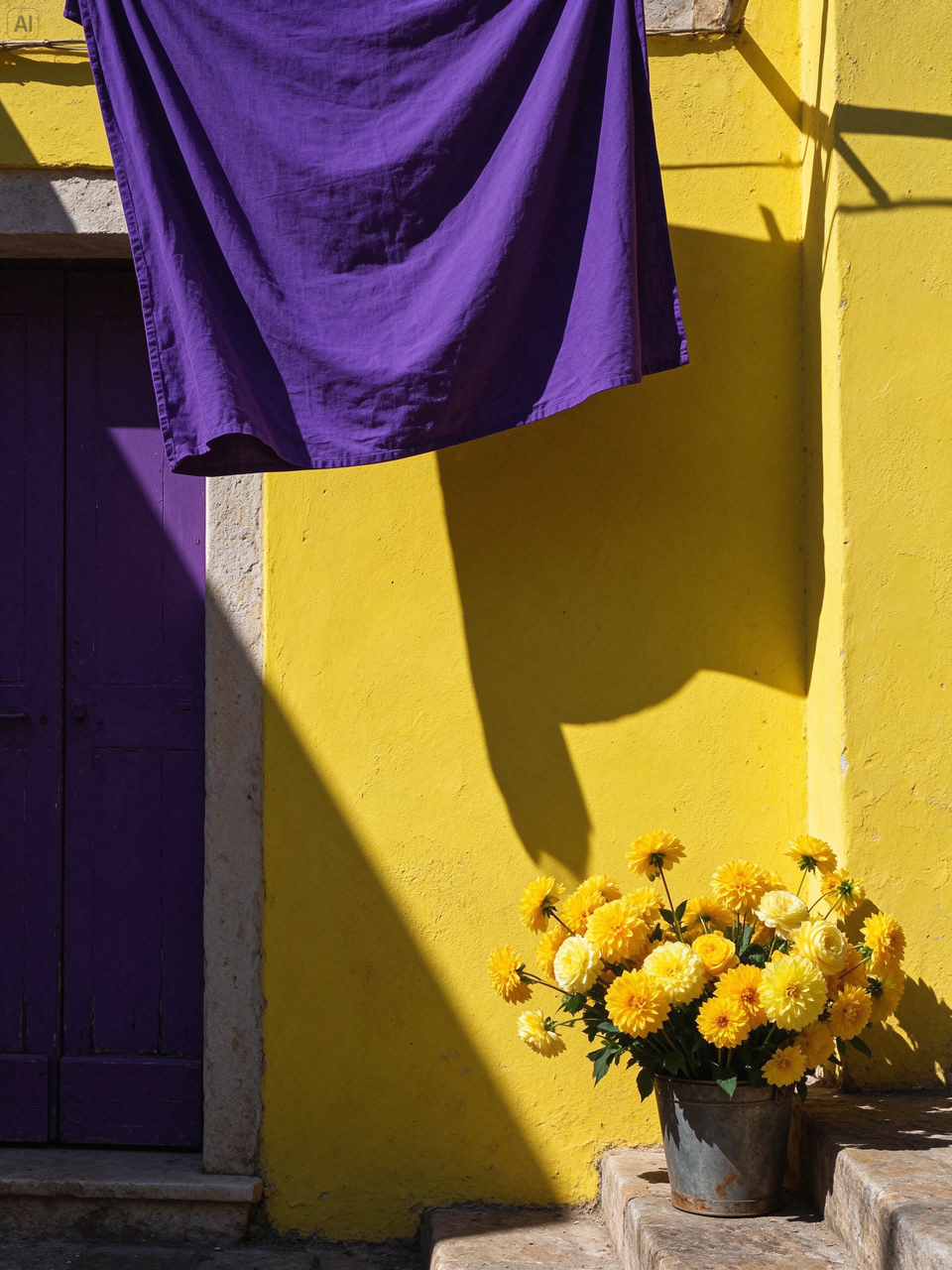
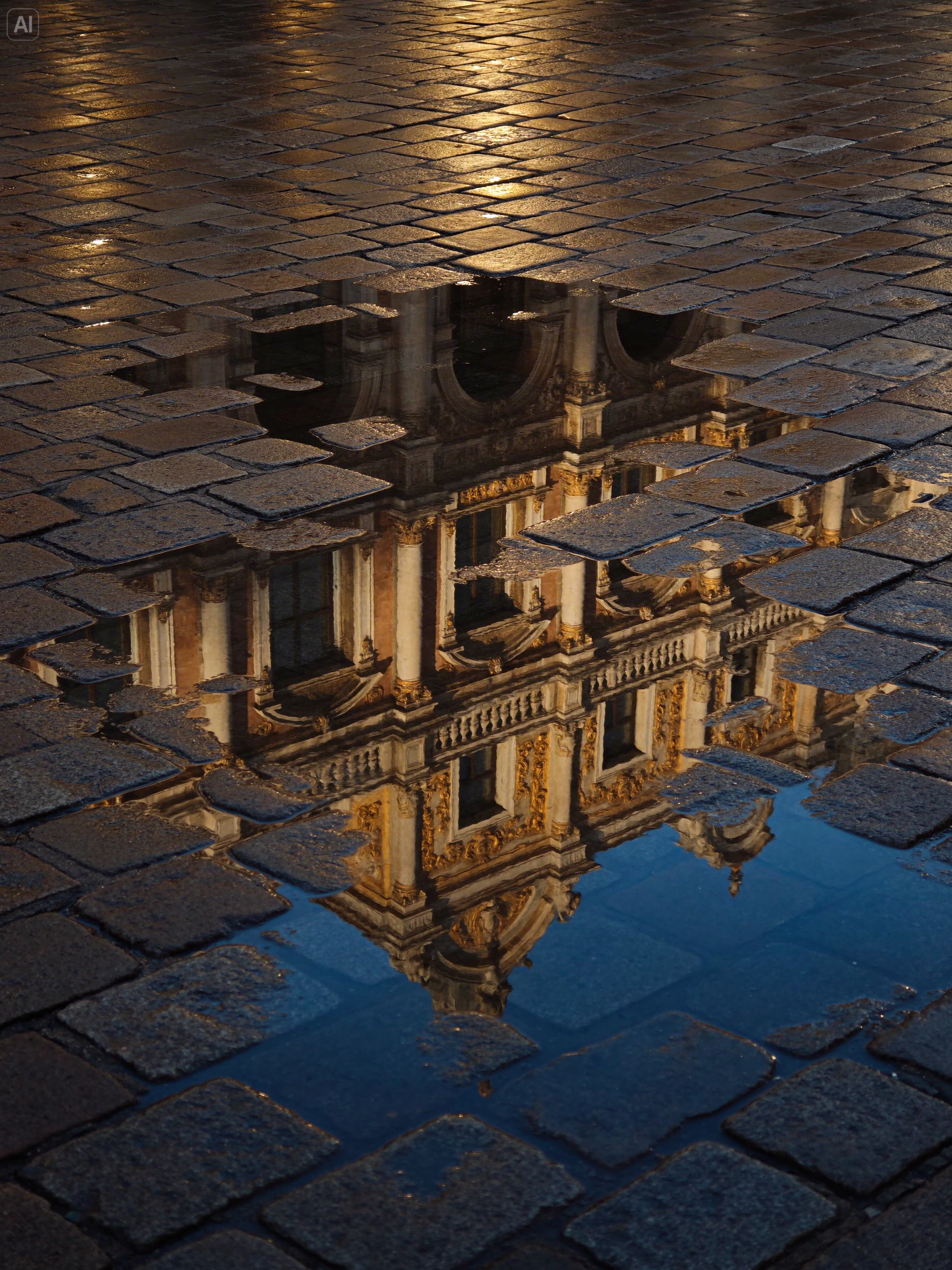
The company also provided inspiration cases: an urban subway station, a Shakespeare-themed newspaper, a wide-angle close-up of a donkey, a graffiti poster, a picture-book workshop, a blueberry character design sheet, words spelled with water droplets, an infographic from seed to salad, and an educational illustration of a blue morpho butterfly. These cases all test the same thing: whether the model can follow long prompts and get layout, text, character consistency, and details right at the same time.
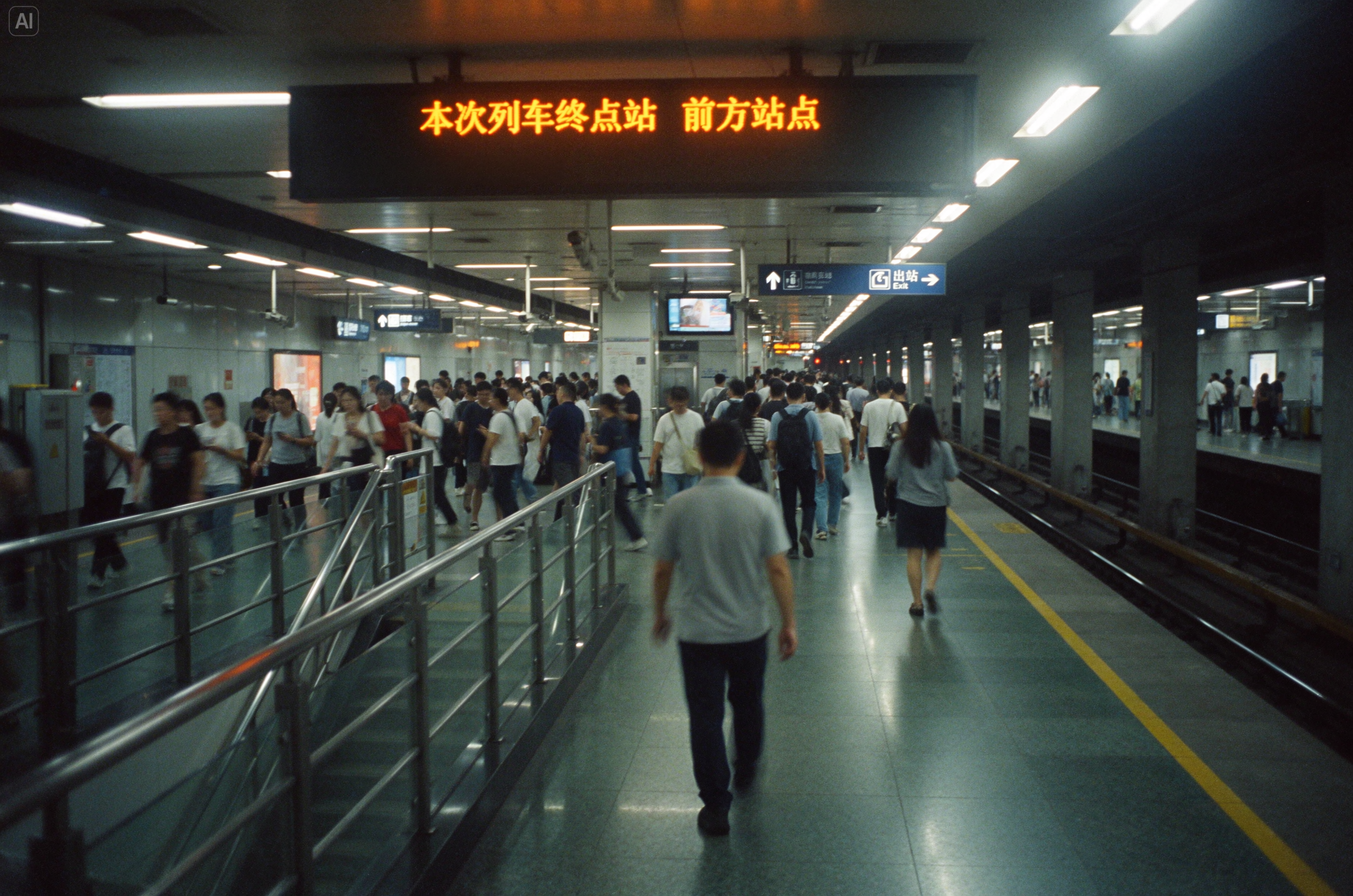


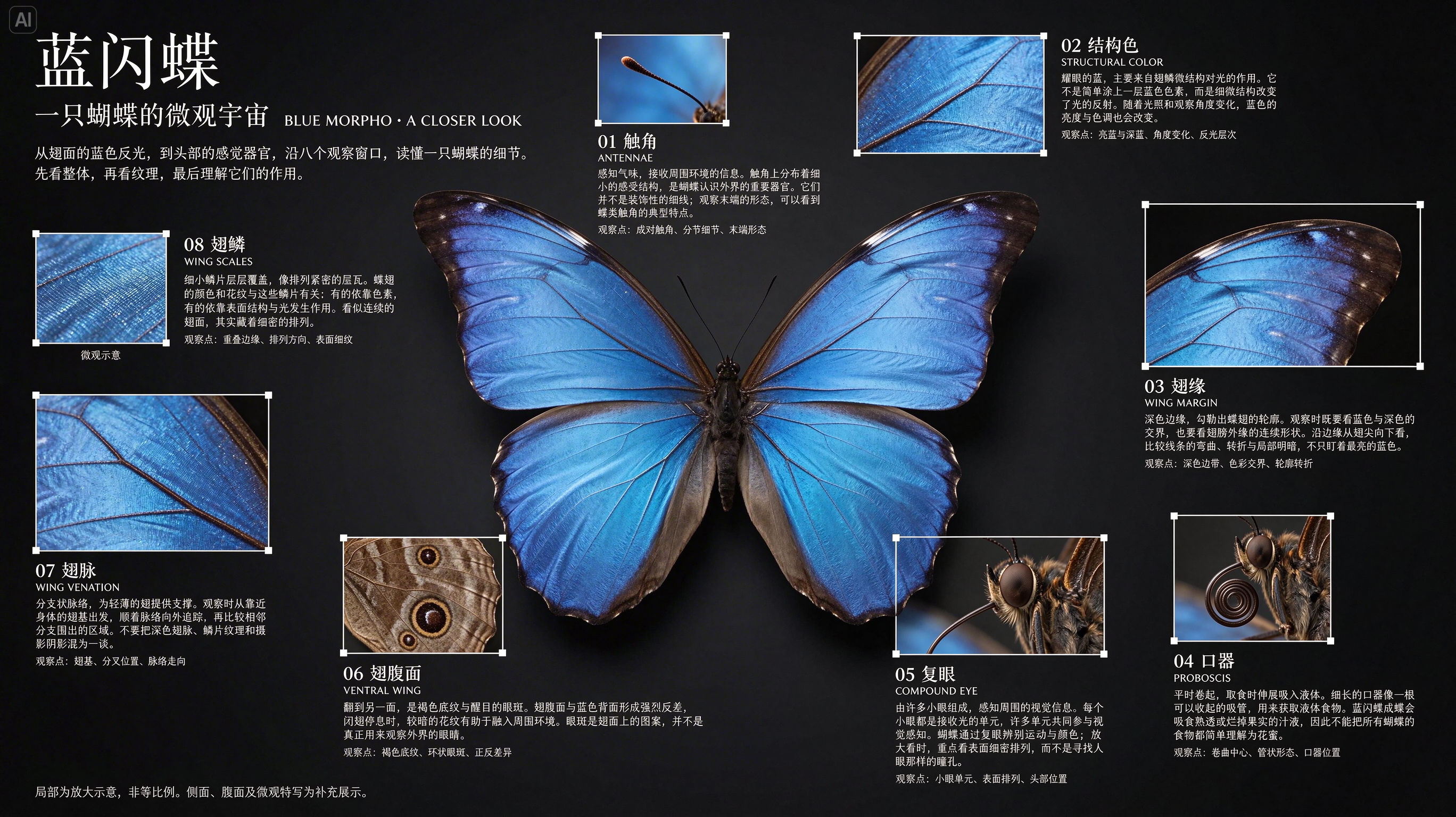
More samples and details are on the Seed official website: https://seed.bytedance.com/seedream5_5. Product entry points are Dreamina, CapCut, and BytePlus. The company says they are coming soon. In actual use, it is recommended to focus on three things: whether consecutive edits drift after the 10th round, whether the edges of transparent assets are clean, and whether complex small text is readable. Demo materials can show the direction, but the rework rate in real workflows is the real answer.
发布时间: 2026-11-09 19:30