The $200 retro handheld: let Codex write games, then load them onto a cartridge
OpenAI and ModRetro have put Codex into a Game Boy–style handheld. For $200, it comes with a programmable cartridge; you can have Codex generate levels, sprites, and ROMs, then play them on the handheld. The catch: the cartridge and accessories sold out first, and UK buyers aren't laughing after doing the shipping math.
OpenAI Developers announced on X that the ModRetro Chromatic: Codex Edition is available at Supply Co. for $200. It is a retro handheld that can play Game Boy and Game Boy Color cartridges, and it comes with a programmable Codex Cartridge. The official description is straightforward: make games with Codex, play them on the Chromatic.
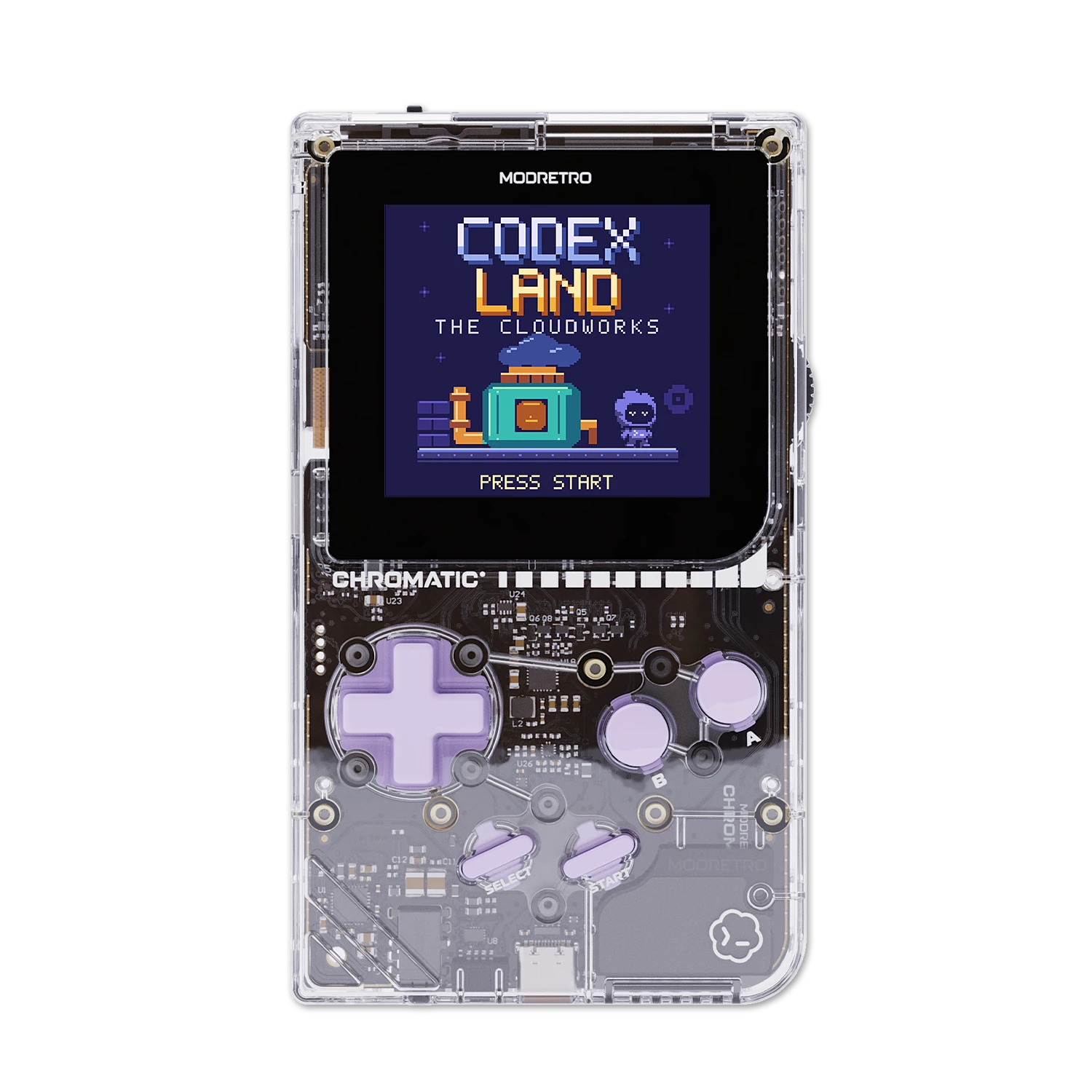
The workflow isn't complicated: install the ModRetro Chromatic plugin in Codex and describe the world, characters, and gameplay in a single prompt; Codex turns the prompt into scenes, sprites, and game logic in GB Studio; after generating a ROM, you can try it in a browser emulator or stream it to the handheld to test the controls, screen, and sound, then write it to the cartridge so you can play without a computer. The official note says cartridge mode requires updating the firmware first and enabling Developer-Mode.
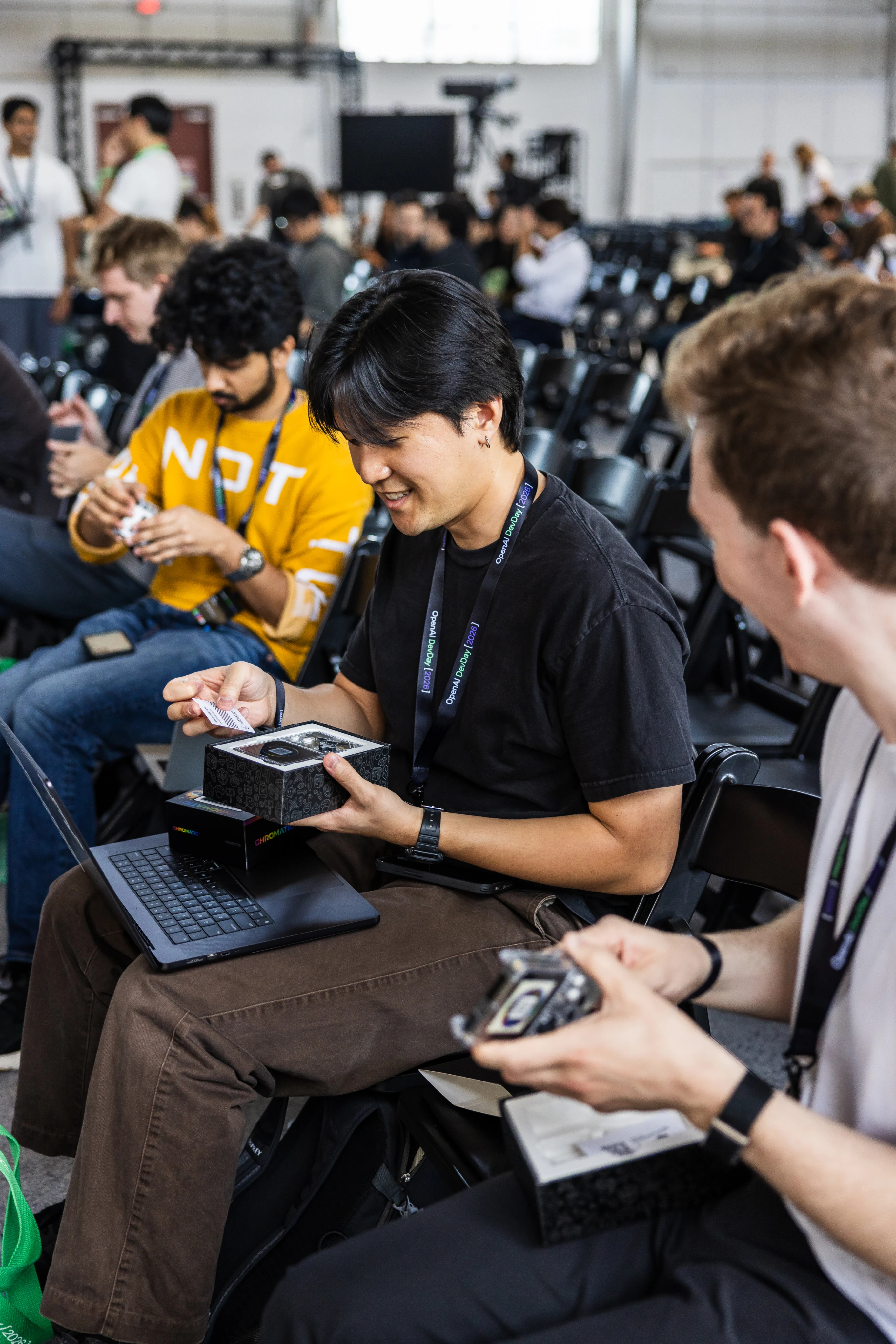
The official site is clear: the $200 price only ships to the United States, Canada, Australia, New Zealand, Japan, the UK, and the EU; the cartridge and carrying case are sold separately, and the current page shows a restock date of November 19. In the comments, some people have already posted order confirmations, while others are stuck on accessories being out of stock. One user said they got the console but the cartridge is unavailable, so they have to wait until the 19th; UK buyers have an even worse time after doing the math: the console plus accessories to the UK comes to $288, the accessories are already sold out, and buying the carrying case later adds another $85 in shipping. Another person, seeing €76 shipping, asked outright whether Sam Altman was delivering it personally.

For developers, the more interesting question is where the toolchain ends. The official page says Codex adjusts scenes, art, and game logic in GB Studio and ultimately produces a ROM. In the replies, someone asked: does the plugin output a GB Studio project file, or bare C with GBDK? Bank switching and strict tile budgets are usually where LLMs most often stumble when generating retro game code. That question has not been answered in the tweet so far. Another reply is more specific: in the demo's walk cycle, the legs are still wrong. Pixel-animation details are exactly where models tend to reveal their weaknesses.
Someone else in the replies posted an emulator screenshot of Oathfall and said they were using C plus AI to write a four-hero Game Boy Color RPG. That scenario illustrates the point better than the official demo: AI can speed up prototyping, but in the end you still have to work within retro hardware constraints.
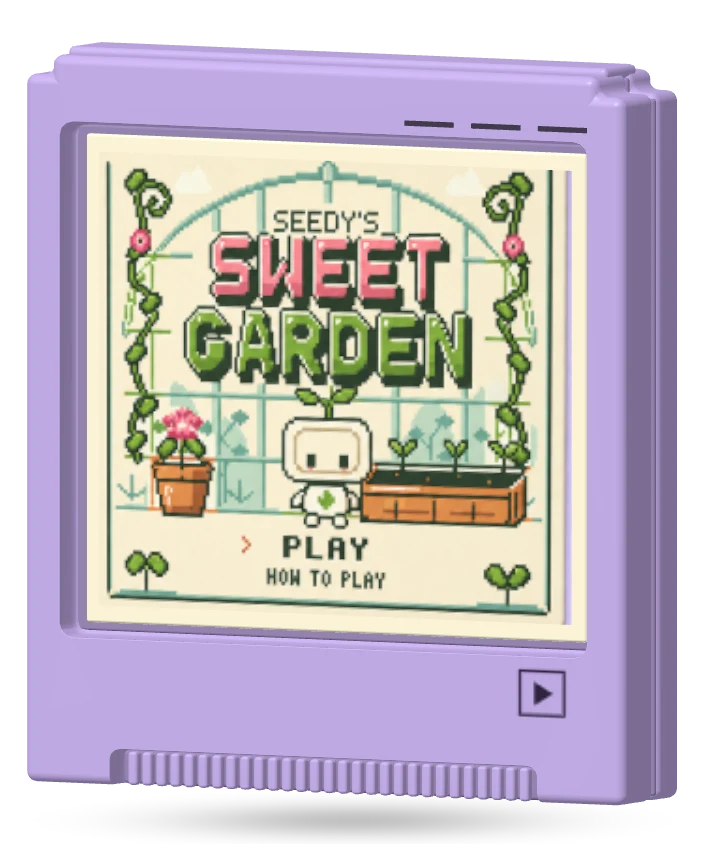
At $200 it isn't cheap, the cartridge is out of stock, and shipping isn't kind either. It feels more like an experiment with clear boundaries: squeeze generative AI onto a 160×144 screen and see how many people are willing to pay to 'make their own handheld game.' For people with a development background, the value is in the toolchain and a playable prototype; for ordinary users, the value is in a cartridge they can hold in their hands. As for whether it's a must-have, the comments have already given two different answers.
Source: OpenAI Developers tweet; product page: ModRetro Chromatic: Codex Edition
发布时间: 2026-11-10 06:37