OpenAI Gives 200,000 Scientists Free Access to Frontier Models, but the Comments Section Gets Stuck on 'What Counts as a Scientist'
OpenAI expands free quota for academic researchers to up to 200,000 people, with applications opening November 23. The company says it will not train models on project data by default, but commenters are asking: what about 6.2, does a founder in a lab coat count, and how long can 'by default' last.
On November 16, OpenAI updated ChatGPT for Academic Researchers: it is expanding free access to frontier models to up to 200,000 scientists worldwide and providing training and support. New applications open on November 23. OpenAI states that, by default, it will not use data shared in the program to train models.
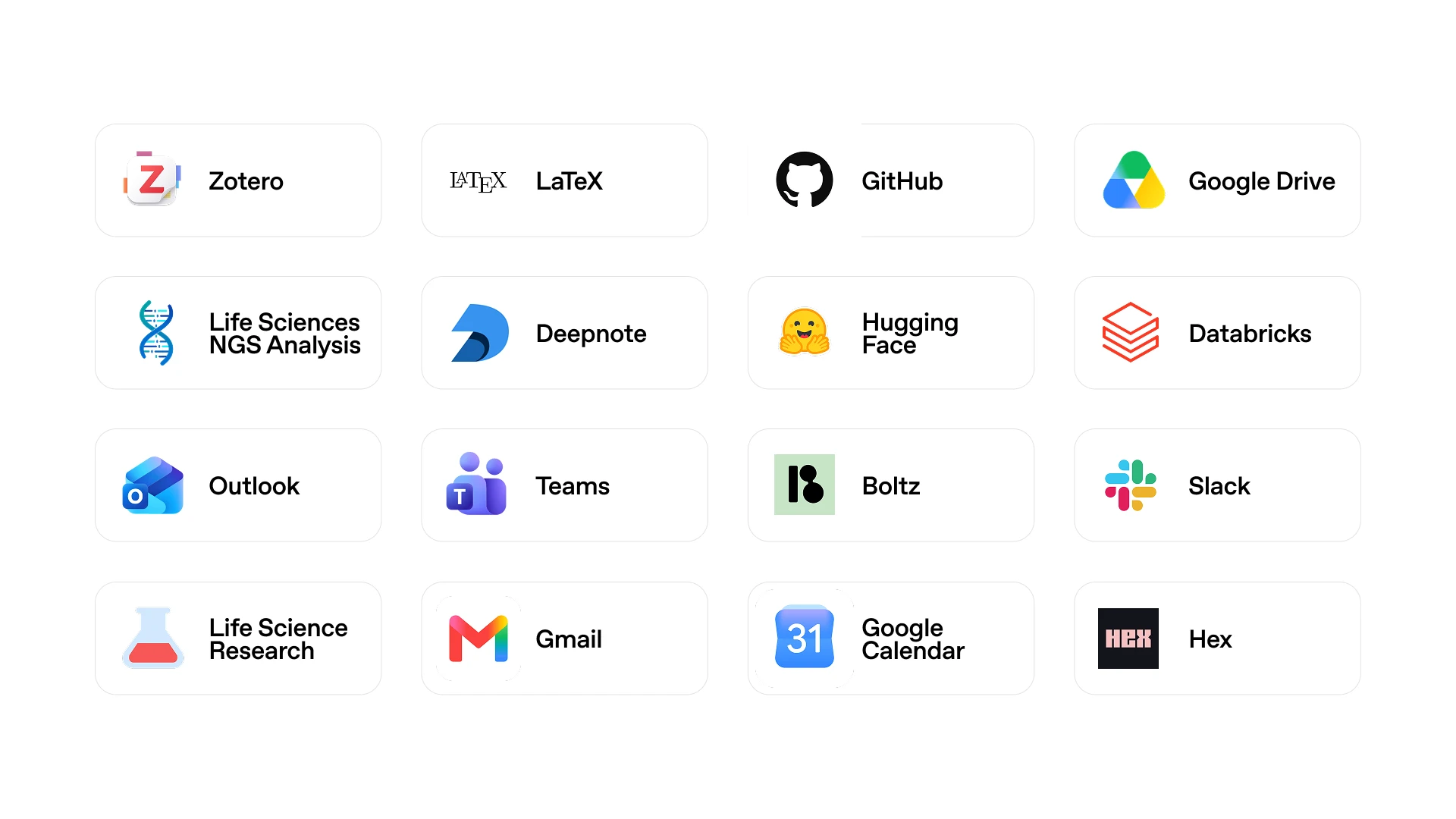
This program is not new. When it launched on July 29, OpenAI said it would start with 10,000 researchers and expand to 100,000 by 2027. Now the cap has been raised to 200,000. Participants get frontier models in ChatGPT, ChatGPT Work, and Codex, including the GPT-5.6 series; OpenAI also mentions higher usage limits, larger context, expanded deep research, more than 75 life-science skills, and a set of research connectors. Each workspace comes with enterprise-grade privacy and security protections, and researchers can invite up to 4 collaborators from the same institution.
Applying is not just a matter of entering an email address. Applicants need to verify their academic institution, describe their ongoing project, and explain how they plan to use the program for research. OpenAI limits eligibility to qualifying degree-granting universities with a high level of research activity. The program also includes training, hands-on support, and opportunities for researchers to exchange ideas. OpenAI says the initiative is part of more than $250 million in support for external research through 2027, which also includes the $50 million NextGenAI and a partnership with the U.S. Department of Energy's Genesis Mission.
The comments section did not follow the official narrative. Some urged GPT-6.2: 'You do everything except release 6.2.' Some joked that founders should put on lab coats, some asked whether 'studying what to eat' counts, and others directly demanded a definition of 'scientist.' These are social-platform reactions and do not represent the program's eligibility criteria, but they reveal an awkward point: when free quota is distributed by identity, the boundaries of identity become a meme. Some were more direct: let every lab use it for free now, and in two years no one will compare prices.
The sharper questions were about data. OpenAI wrote that it will not train on data 'by default,' and one user replied, 'until we decide otherwise.' That reply dug up OpenAI's September statement about a Navier-Stokes proof: at the time, OpenAI said it could not rule out that de-identified data helped improve the model. There is no evidence that the two matters are directly related, but the word 'default' leaves enough room for interpretation. For research users, free frontier models are appealing, but the data terms are the part that must be read word by word.
So the point of this news is not just 200,000 slots. OpenAI is pushing its most expensive models into labs, using free access to win usage habits and feedback; researchers get an entry point to compute, but they also have to accept institutional verification, use descriptions, and default data terms. The comments section is asking about 6.2, but the real question is: after the program ends, what will remain of these workflows and data boundaries?
发布时间: 2026-11-17 02:27