He Built an AI-Native macOS Dock and Stopped Using It Himself in Less Than a Month
Thariq's modes experiment has stopped. In the comments, some asked where modes went wrong, while others shared their own personal agents. The common thread: AI can build the software, but you still have to write the requirements yourself.
Thariq posted an AI-native macOS Dock on X. It switches by work modes such as writing and building; the agent uses jev to classify activities and notifications in real time, then takes actions. In the video in the original post, the Dock is not just a launcher—it looks more like an entry point that can change its own behavior.
In less than a month, he posted an update on the result: he didn't keep using it. modes were not the right way for him to organize work, and next he plans to switch to a more to-do-oriented approach. The original post is here, and the update is here. In the comments, some were surprised, some asked why, and others shared their own personal agents. A record of failure is rarer than a launch, and this time it happens to lay the problem out in the open.

Farhan asked directly: were modes wrong because they were too rigid, or because work itself cannot be divided into clean modes? Alano's reply was more concrete: a single task may simultaneously involve writing explanations, changing code, and responding to feedback. A Dock organized by task can keep these contexts in one session, while organizing by mode requires people to classify themselves first. sanj wrote just one line: modality = friction. Mode means friction.
This judgment isn't complicated. Modes assume that a person's work can first be cut into boxes such as writing, building, and communication. Real work often leaks from one box into another. Every time you switch modes, the user has to self-file once. AI can execute actions, but the filing step still falls on the person.
Daniel Priscu said the hardest spec to write is the one for yourself. That's very accurate for personal software. When building tools for a company, requirements can grow out of processes, reports, and approvals. When building tools for yourself, requirements hide in habits, and habits change. AI has lowered the cost of implementation, but the cost of requirements hasn't come down with it. In the past you couldn't write it; now you write it and only then realize you don't want to use it.
Emmanuel's suggestion is more practical: don't start from features; first list the troubles and annoyances you actually encounter every day, and which ones you want to get rid of directly. This order is more stable than drawing modes first and then looking for tasks. The first version of personal software is best if it solves only one recurring friction point. If it can be used every day, then talk about expansion.
In the replies, someone shared Shadowfax, a personal agent built by Kris Puckett. It lives on a Mac mini at home, helps handle a messy brain, organizes thoughts, and proactively reminds about to-dos. There's a detail on the page: things that haven't moved for a long time go into Waiting, and the user can Let go. There's also Caught, which catches to-dos from a casual sentence. Every day there's a letter asking whether there's something you've always wanted to do but haven't done.
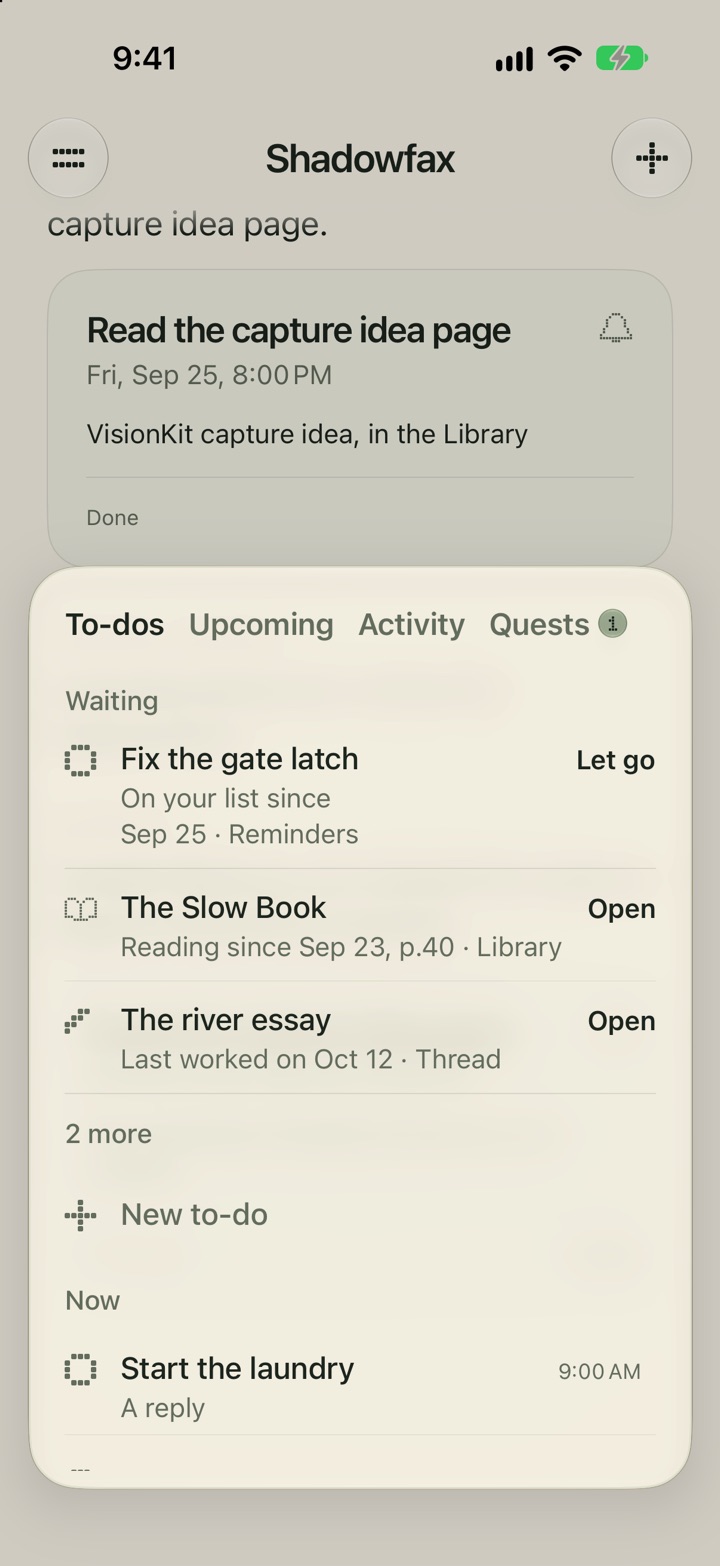

Shadowfax also generates temporary UI on demand; Kris calls them Spells. For example, choose a trail for Saturday, choose a book for a flight, bring up highlighted passages from a book. The UI is not resident in advance; it appears when needed and exits when done.
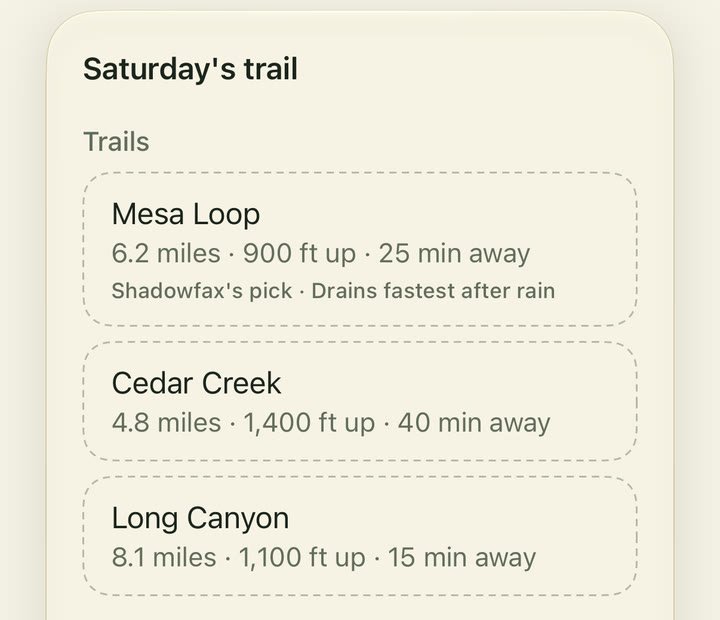
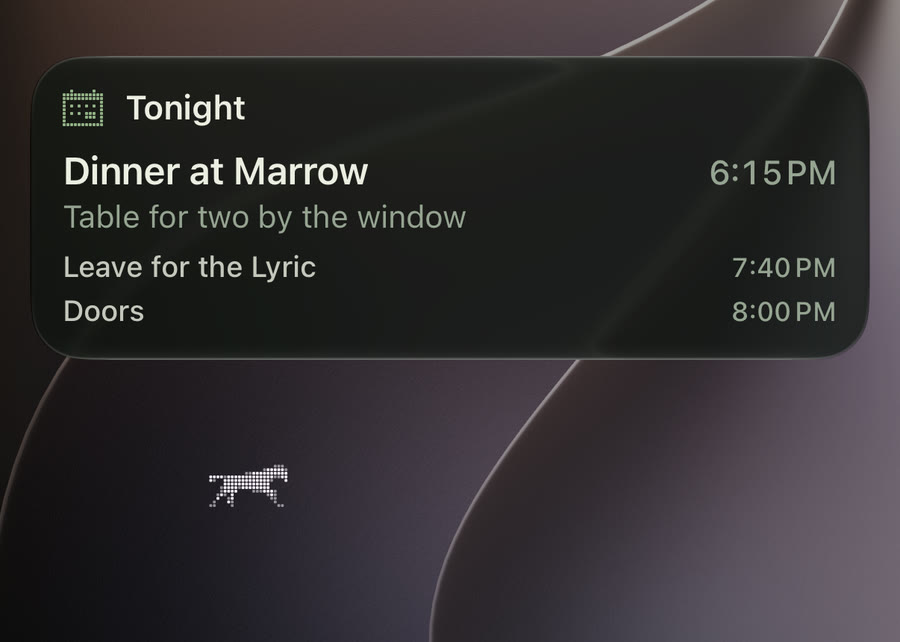
This direction overlaps with Thariq's shift: from modes to tasks, from classification to the next step. Modes require you to first declare who you are and what you're doing. To-dos only require remembering the next thing to handle. The value of a personal agent may be to retain context and surface the reminders that should surface. The matter of making decisions for people can be put later.
There's also a comment like a footnote. Alex said that after seeing this Dock, he vibe coded an app to monitor what he does on the computer, wanting to figure out where time goes. As a result, the project itself became a new distraction. When making your own software, the hardest spec is writing it for yourself, and the easiest place to go off track is also yourself.
Thariq's original post and update are both on X. Shadowfax's full page is at krispuckett.com/shadowfax. The video and images are all left above, so you can see for yourself what modes look like and also see how far personal agents have come.
发布时间: 2026-11-19 19:32