FDE demand has grown 4x in a year, but it may become the next SRE
Forward Deployed Engineer is the most in-demand engineering role of 2026, with job demand up 4x in a year. Gergely Orosz has made his deep dive freely available. This role went from Palantir to OpenAI: what it is, why it is valuable, and what the pitfalls are. Some commenters warn: be careful it does not become the next SRE.
Gergely Orosz announced on X that a paid in-depth article about Forward Deployed Engineer (FDE) is now free. The reason is straightforward: over the past 12 months, job demand for this role has grown 4x, so hot that it no longer makes sense to keep it behind a paywall.

Original article: What are Forward Deployed Engineers, and why are they so in demand?
What is an FDE
FDE is not a new term. It originated at Palantir (a company that does data analytics for government and military clients), with the internal code name Delta. Before 2016, Palantir had more FDEs than ordinary software engineers.
One-sentence definition: a software engineer embedded both in the customer team and in the core product team. Roughly one-third solutions architect, one-third product engineer, one-third platform engineer. a16z calls it the hottest job in tech, and Palantir's description is even more direct: the work is close to that of a startup CTO.
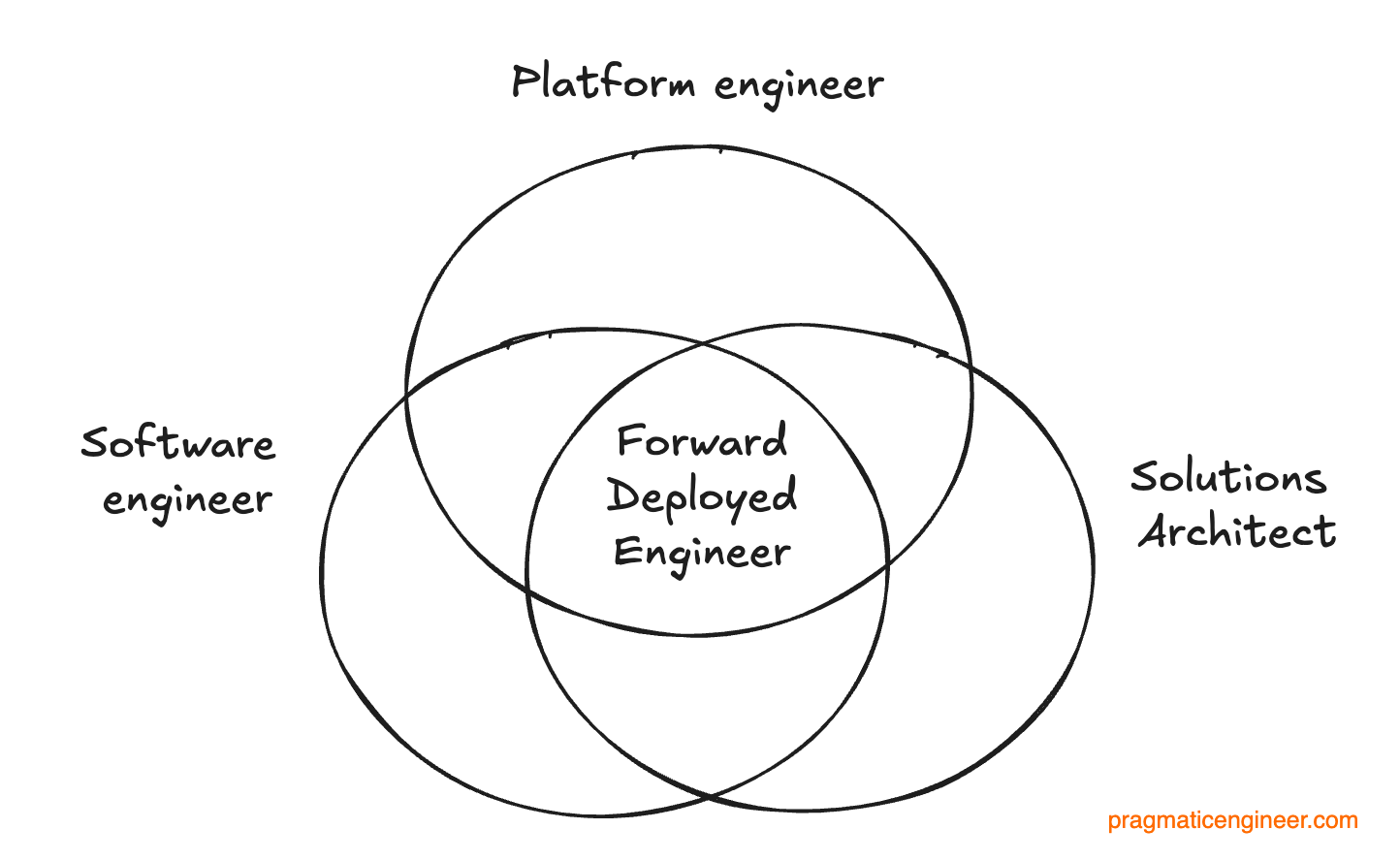
Why it suddenly became so hot
Anjor Kanekar spent 7 years as an FDE at Palantir, and his explanation is most convincing: AI companies have models, but there is a big gap between model capabilities and real enterprise applications. FDEs exist to fill that gap. The models already exist, but figuring out 'which specific model to use to build what in order to break into large enterprises' requires being close enough to the customer.
AI has made writing code cheaper, which makes 'what should be written' more expensive. This is why FDEs exploded in 2025.
How OpenAI and Ramp use them
OpenAI formed an FDE team in early 2025, and it is now spread across 8 cities. The core difference from a Solutions Architect: FDEs directly write code on customer infrastructure.
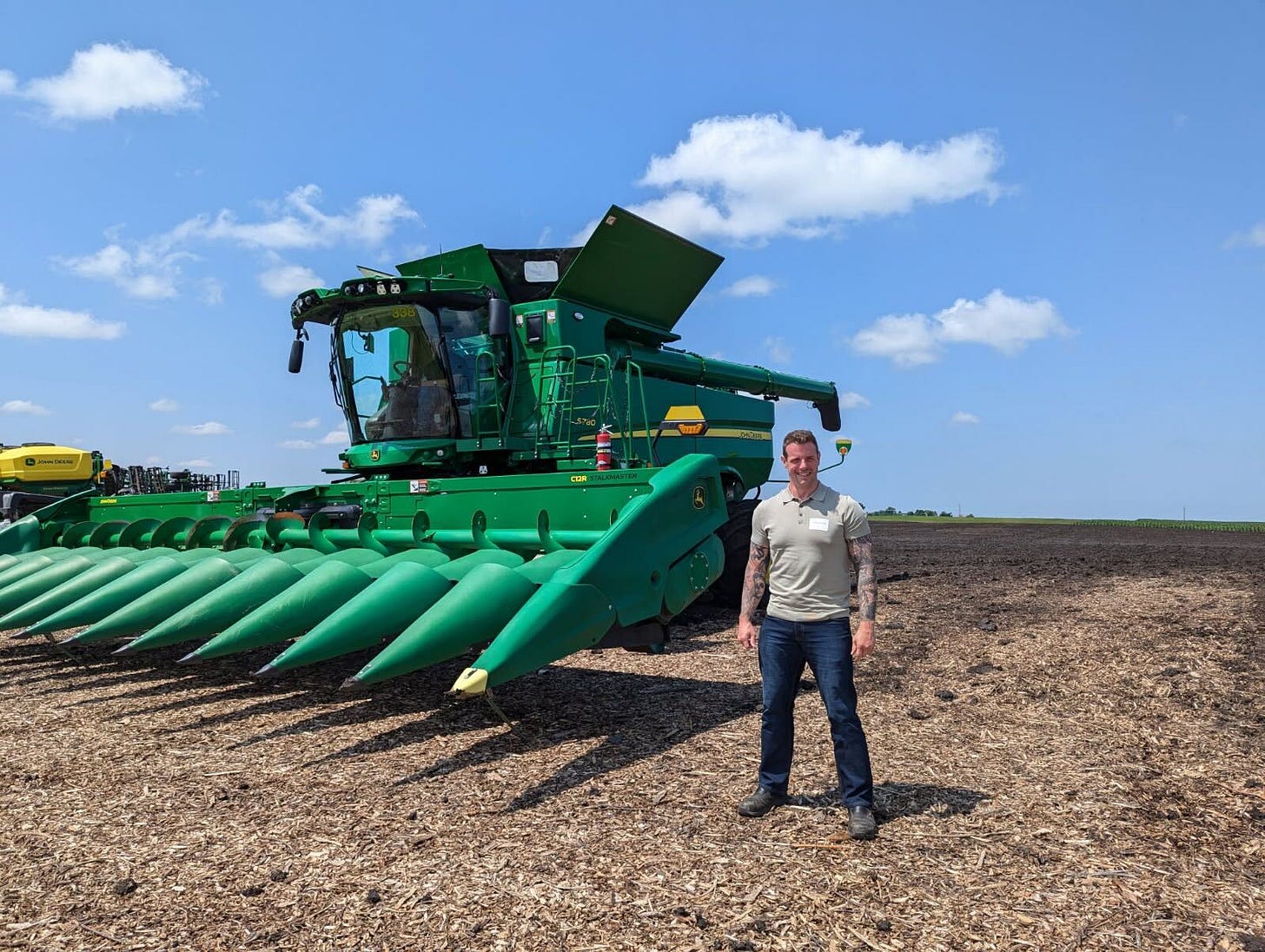
A typical project is John Deere—a 200-year-old agricultural machinery company. OpenAI's FDEs flew to Iowa, worked alongside farmers, and turned personalized agronomic guidance from manual phone notifications into a scalable product. The project went live before planting season, the customer was satisfied, and OpenAI also improved the Realtime API along the way.
Ramp's FDE team has about 15 people, organized into pods. The core principle is Always Be Scoping: first figure out what the customer actually wants; asking two more questions can sometimes save days of development. Six people on the team are former founders.
Changes in 2026
Gergely pours some cold water on the role in an article update: at most companies now, the FDEs being hired are increasingly doing work that differs little from that of a solutions architect, and they rarely bring lessons from customer sites back to the core platform. It is not that they do not want to; it is that the incentives do not reward it.
A warning sign worth paying attention to
A commenter drew an analogy with SRE: SRE also grew out of software engineering back in the day, but once the title stuck, people always assumed 'you just operate systems.' FDEs are now at the same crossroads—they have strong customer integration experience, but their core systems ability will be questioned. The irony is especially sharp: in the AI era, the underlying engineering skills needed for these two kinds of work may be quite similar, yet the title can narrow the path.
FDE gives many engineers an opportunity to get hands-on with AI-native development, especially those stuck on teams that do not touch AI. Whether to jump in depends not only on money and opportunity, but also on thinking about this: three years from now, will this title be an asset or a label? One more line on your resume may mean one more question in an interview.
发布时间: 2026-11-23 21:39