OpenAI Is Paying People to Teach Small Businesses How to Use AI for Free—What's the Catch?
OpenWorks: OpenAI foots the bill, AI experts go on-site, and small businesses pay nothing. Up to $8,000 a month in stipends, plus three months of ChatGPT Business free. How does the math work?
OpenAI has announced a new program called OpenWorks: it pays AI experts to go to local small businesses and help them put AI to work for free. The businesses don't pay anything, and the experts get paid.
According to the official description, OpenWorks Partners need to work on projects together with small-business owners. They might help the business find new customers, run ads, or build a tool that can be used long term. Experts need to spend a few days each month at the business and also hold one workshop in the community. In return, OpenAI gives the experts a monthly stipend of up to $8,000, plus tools, resources, and workshop support. Small businesses get one-on-one support and three months of free ChatGPT Business.
The requirements are clear: applicants must be independently operated U.S. small businesses; restaurants, retail stores, service companies, and manufacturers all qualify. Software/SaaS companies and venture-backed companies are not eligible.
The OpenWorks website lists four case studies that show how this model works in practice.
Tiny Things in Fargo sells miniature models, and the store has more than a thousand products to track. OpenWorks Partner Jake Ottiger used ChatGPT to help the owner build a custom dashboard connected to their existing inventory tools. The owner said that if this kind of custom system were outsourced, it would cost about $50,000. Now they can clearly see which products need restocking, and they don't have to constantly worry about the store on weekends and holidays.
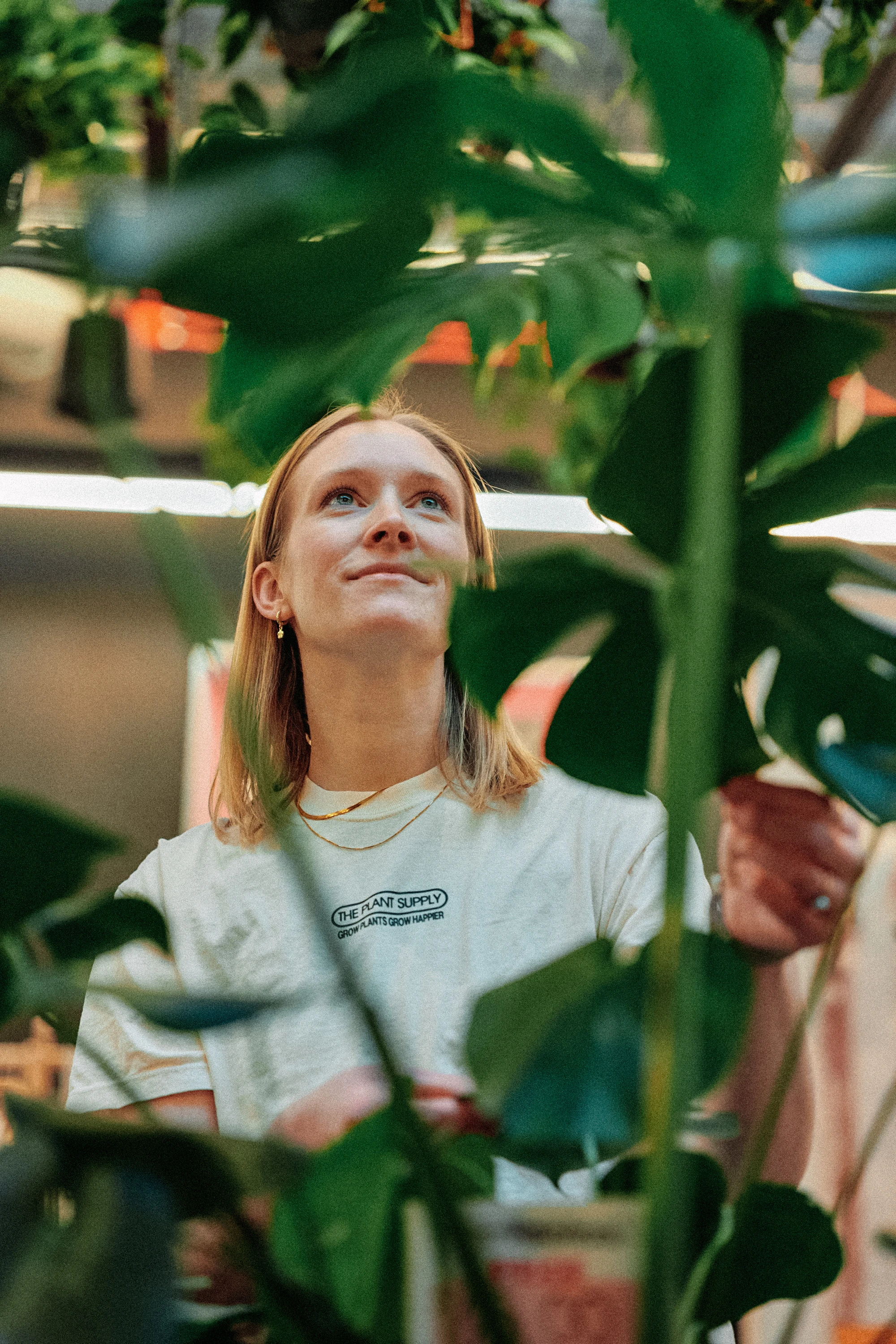
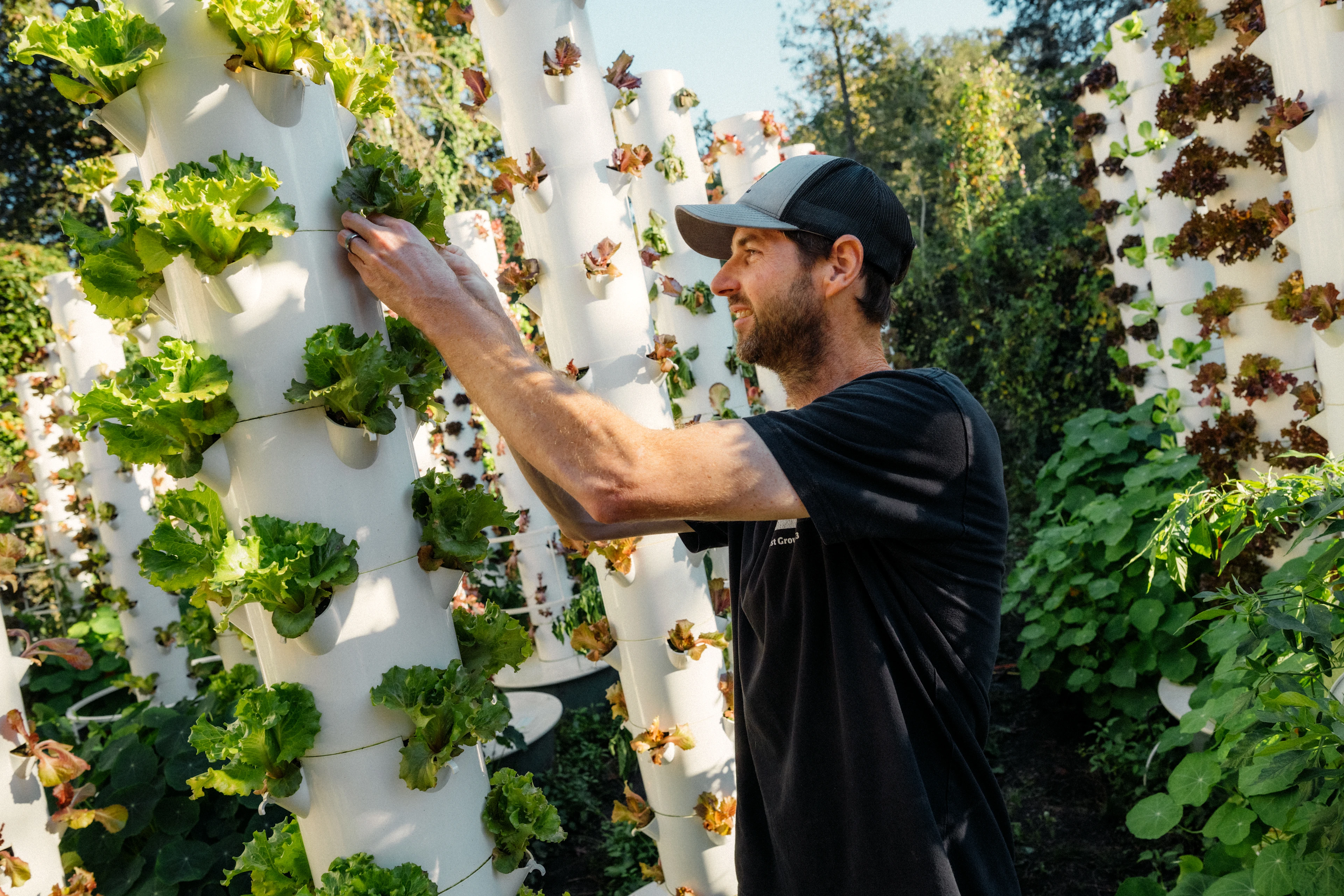
Ghost Grow 843 in Charleston grows microgreens and lettuce. Owner Garret Fleming used to pitch restaurants by knocking on doors one by one. Partner Jim Reilly taught him to use ChatGPT to find nearby restaurants that source microgreens, identify the chefs he should contact, and write emails in his own voice. The response rate rose from 20% to 75%, and in four months he gained 10 new restaurant customers. He now also uses ChatGPT to find seed sources and prepare grant applications.
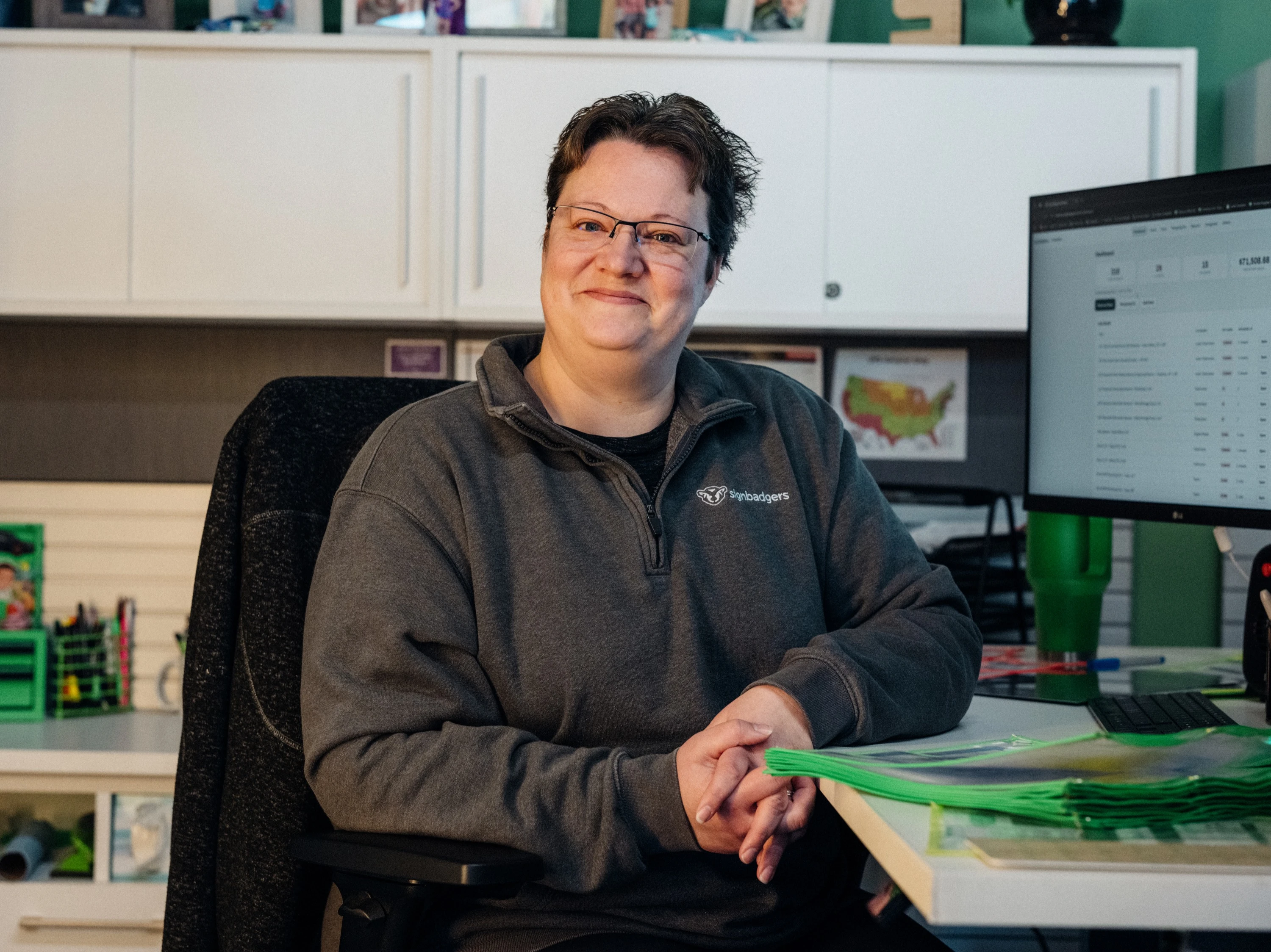
Sign Badgers in Fargo makes signs. Senior production specialist Jen Robertson used to spend several hours a week tracking inventory and comparing prices. Partner Jake Ottiger taught her to automate these tasks with Codex and ChatGPT. Price checks went from several hours to 15–20 minutes, and Jen says she saves two to five hours a week. The company can find lower prices, and she has more time to design.
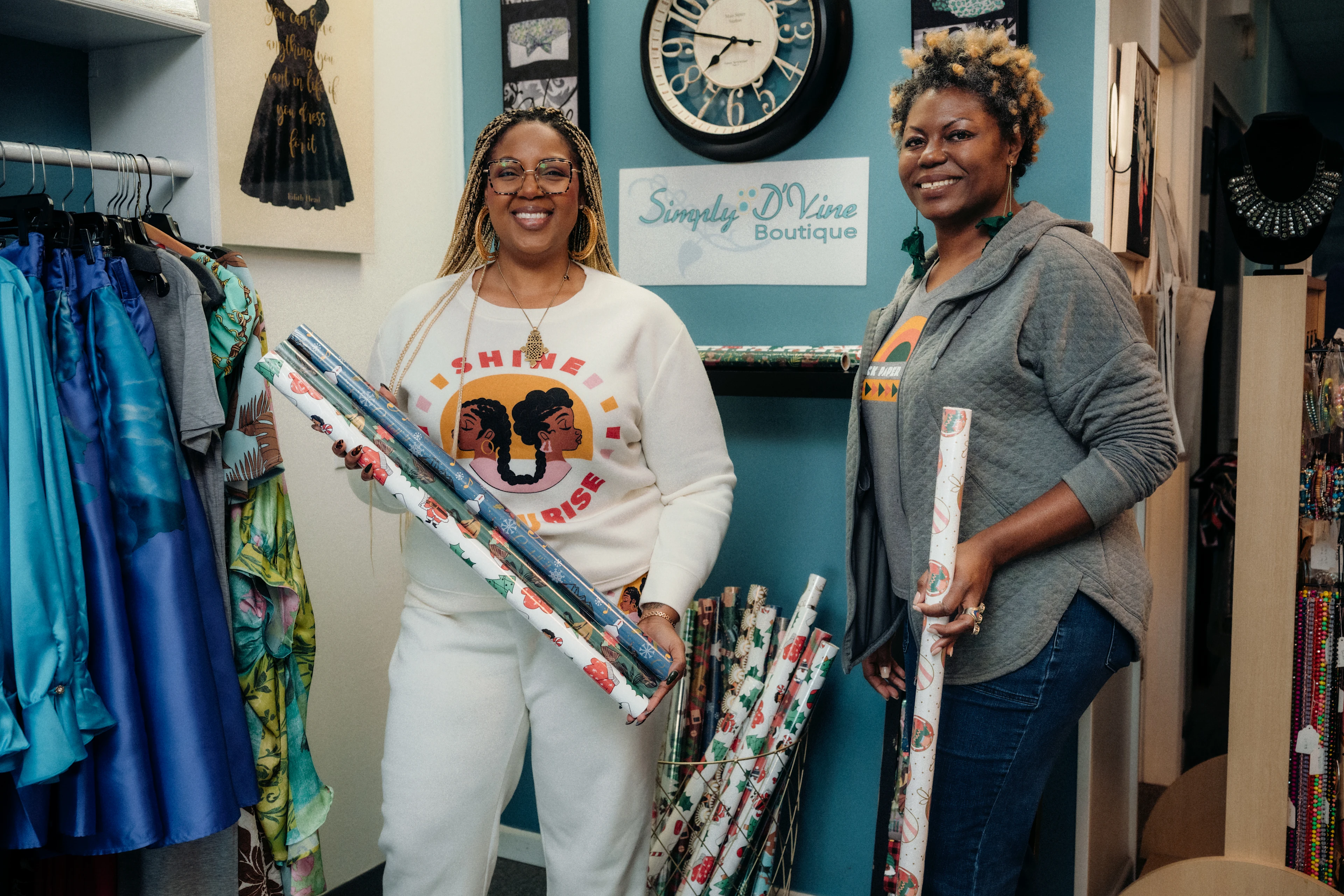
Black Paper Party in Bentonville makes gift wrap. Founders Madia Willis and Jasmine Hudson used ChatGPT to compare purchase orders with shipping records, find errors in supplier invoices, and avoid thousands of dollars in chargebacks.
What makes OpenWorks unusual is that it bypasses direct sales and lets local experts teach hands-on. The biggest obstacle for small-business owners is often not that AI isn't powerful enough, but that they don't know where to start. This model is essentially giving every small business a free consultant, naturally embedding ChatGPT into real business scenarios while also throwing in three months of Business. This is more tangible than advertising.
People in the comments were also getting restless. Some asked when Miami would be included, while others hoped it would expand to Canada, Spain, and the EU. Someone else joked: "We already have a local AI at home."
Currently, OpenWorks is only a pilot in 20 U.S. cities, so the scale is not huge. For AI professionals, this is also a new option to trade skills for income: a few days a month, up to $8,000. As for whether the math works out, we'll have to wait for the pilot data. The entry point is openai.com/openworks.
发布时间: 2026-11-24 04:34